 Mediavania
Game Development
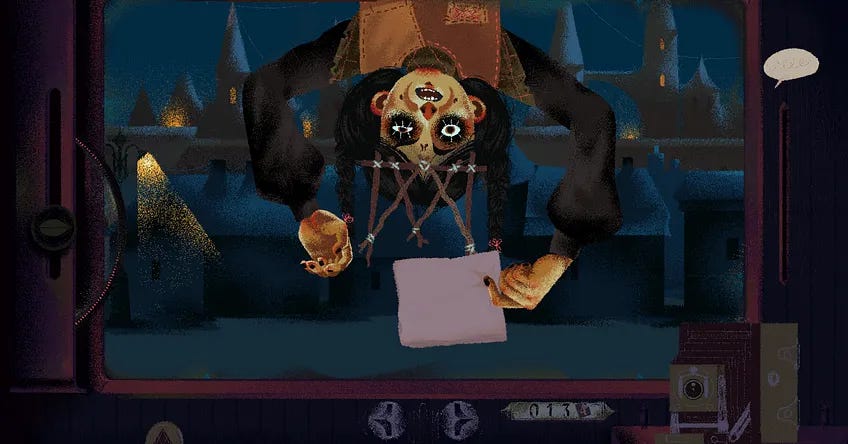
Inkblood: How Photography Changes Detective Game Design
An exploration of how Hey Bird!’s occult detective game uses photography, visual deduction and environmental clues to rethink how players investigate and solve cases.
Search, choose a category, stack tags, and keep refining the feed.
Weeklyvania
The best games writing, weekly.
Explore Next
No further tags are available for this combination.
An exploration of how Hey Bird!’s occult detective game uses photography, visual deduction and environmental clues to rethink how players investigate and solve cases.
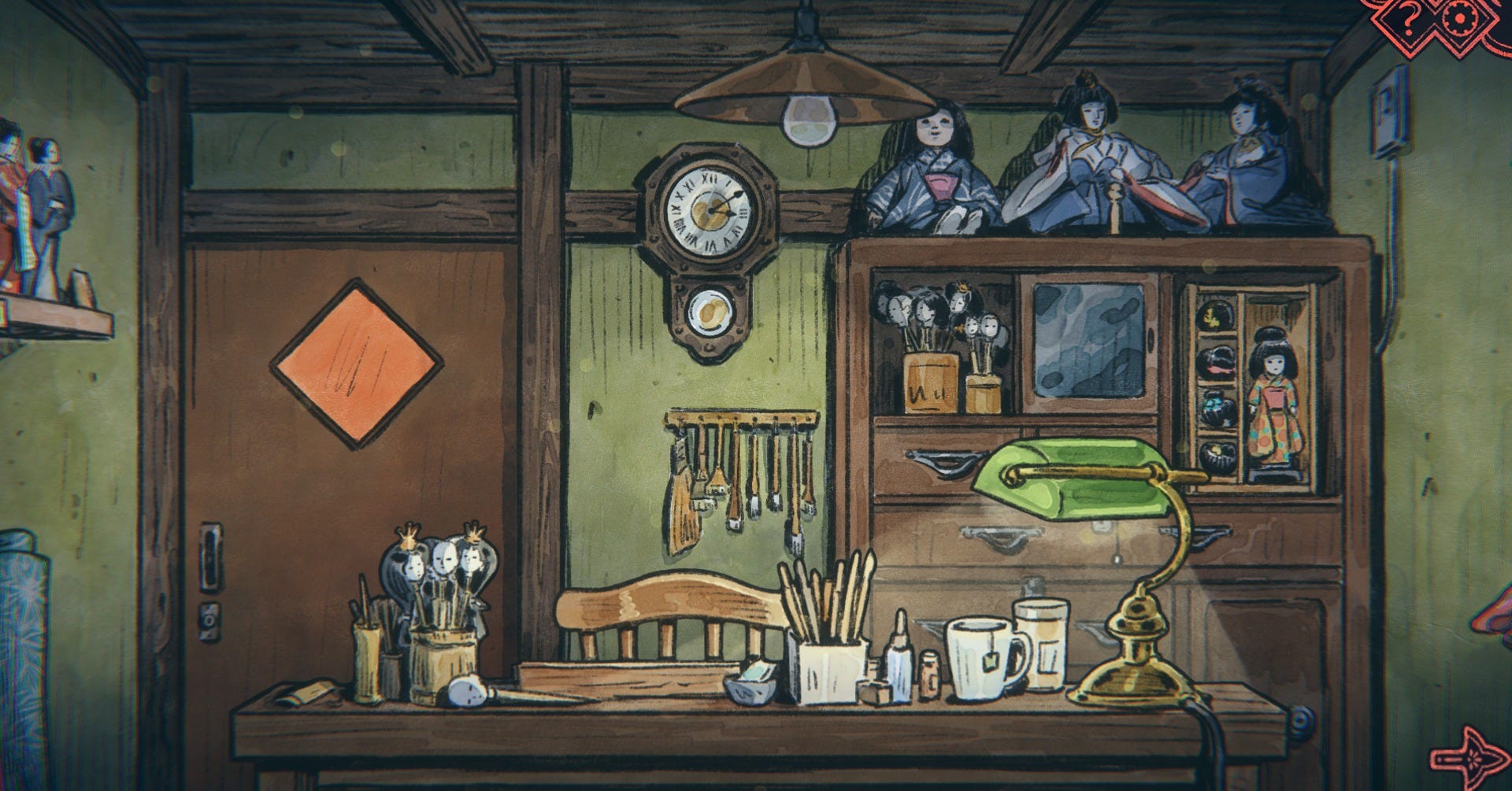
Atelier Sentô’s hand-drawn narrative game about a dollmaker in a snowbound Japanese village had three complete endings and no good way to add a fourth. Its answer was a hidden post-game.
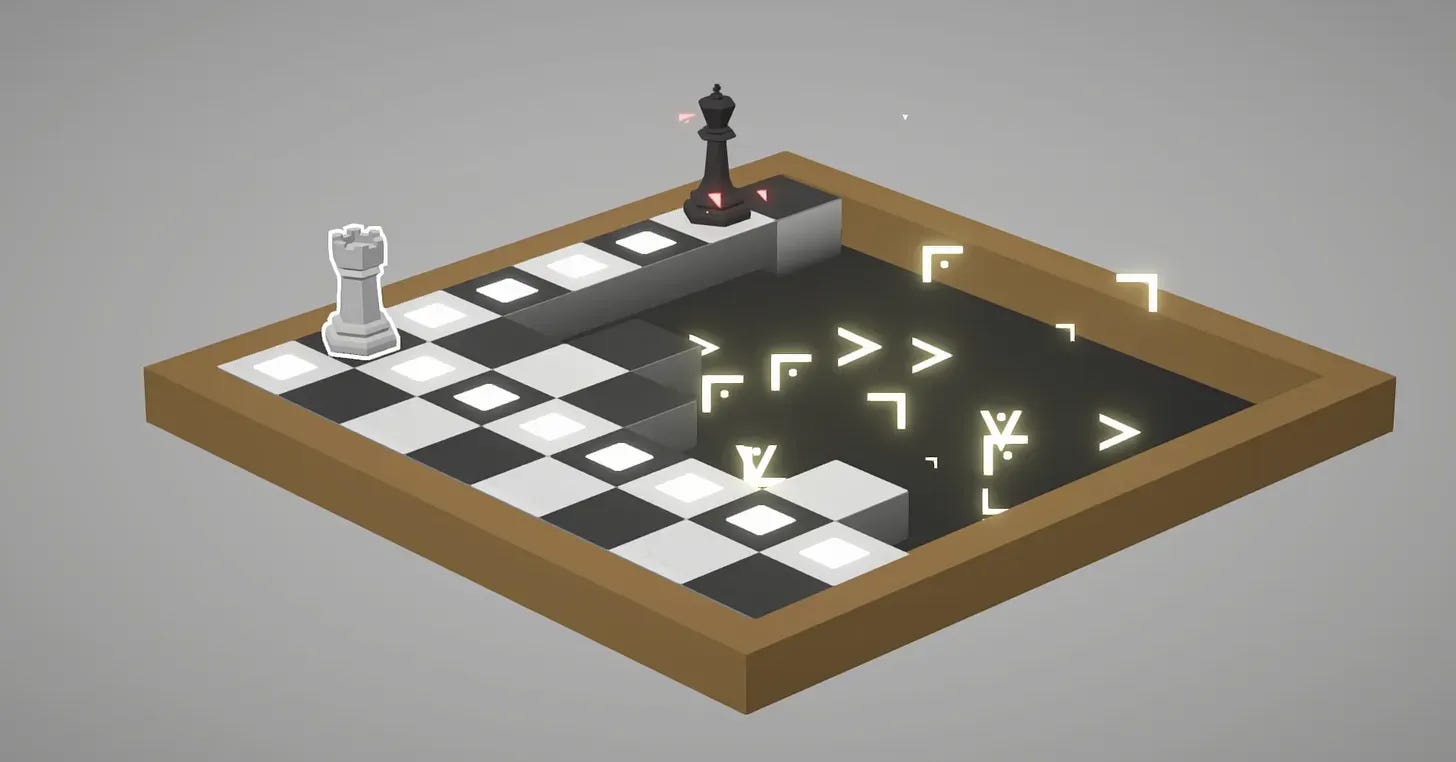
Fragile Shapes Studio’s chess puzzle game uses familiar rules, unexpected mechanics and wordless storytelling to reshape what players expect from chess.
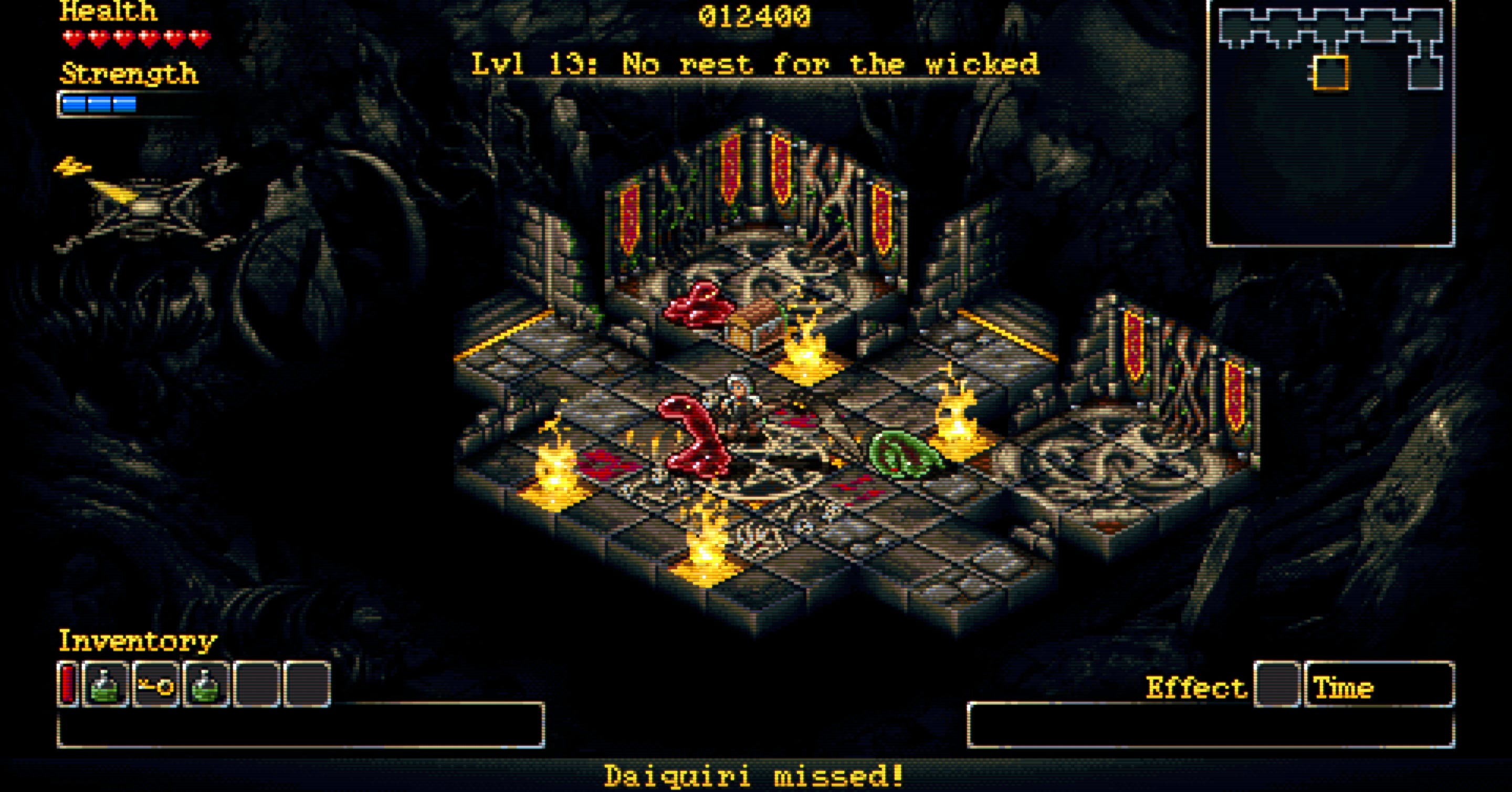
Inside the invisible rules that keep a roguelike’s dice honest.
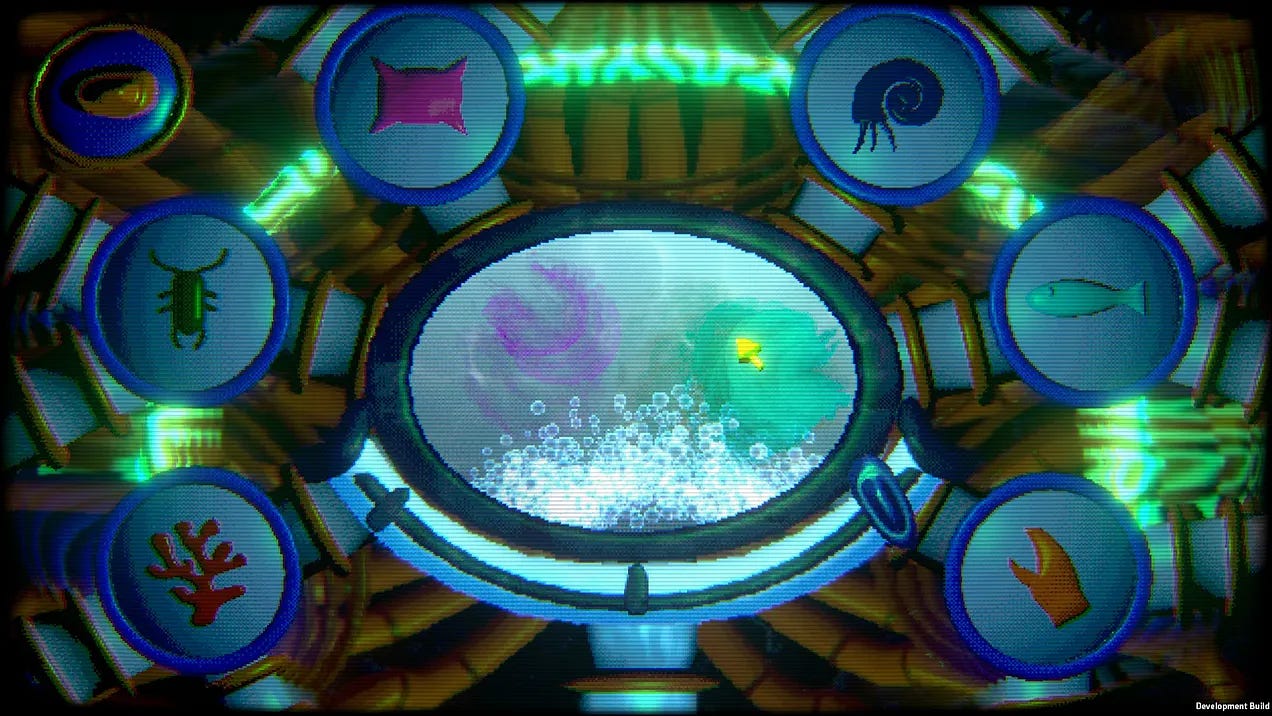
On knowledge, navigation, and a Portuguese point-and-click in the tradition of Silver Case.
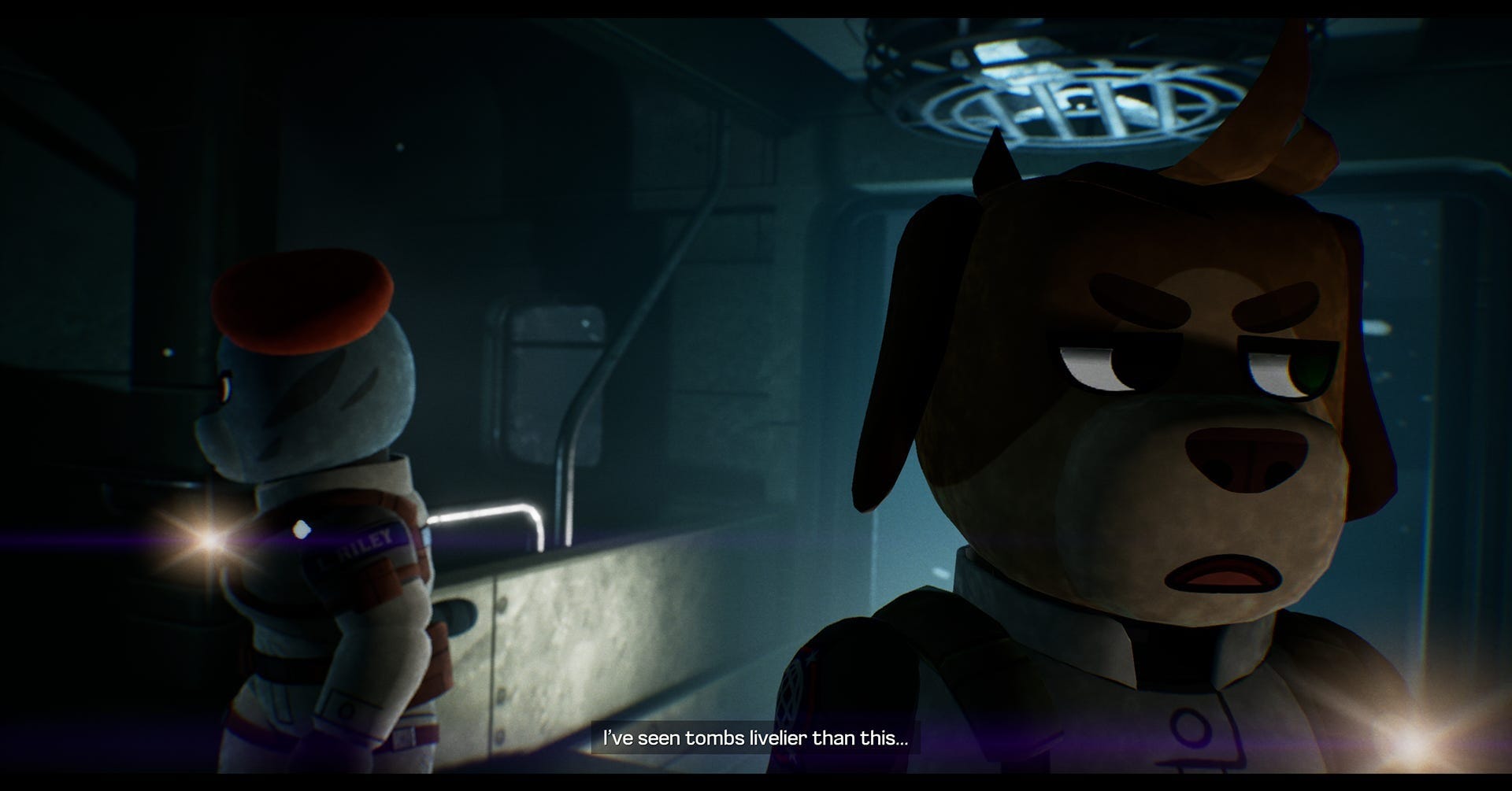
An interview-based breakdown of Fright Train's inventory, reload, and enemy-interaction systems, and how they generate tension without scripted scares.
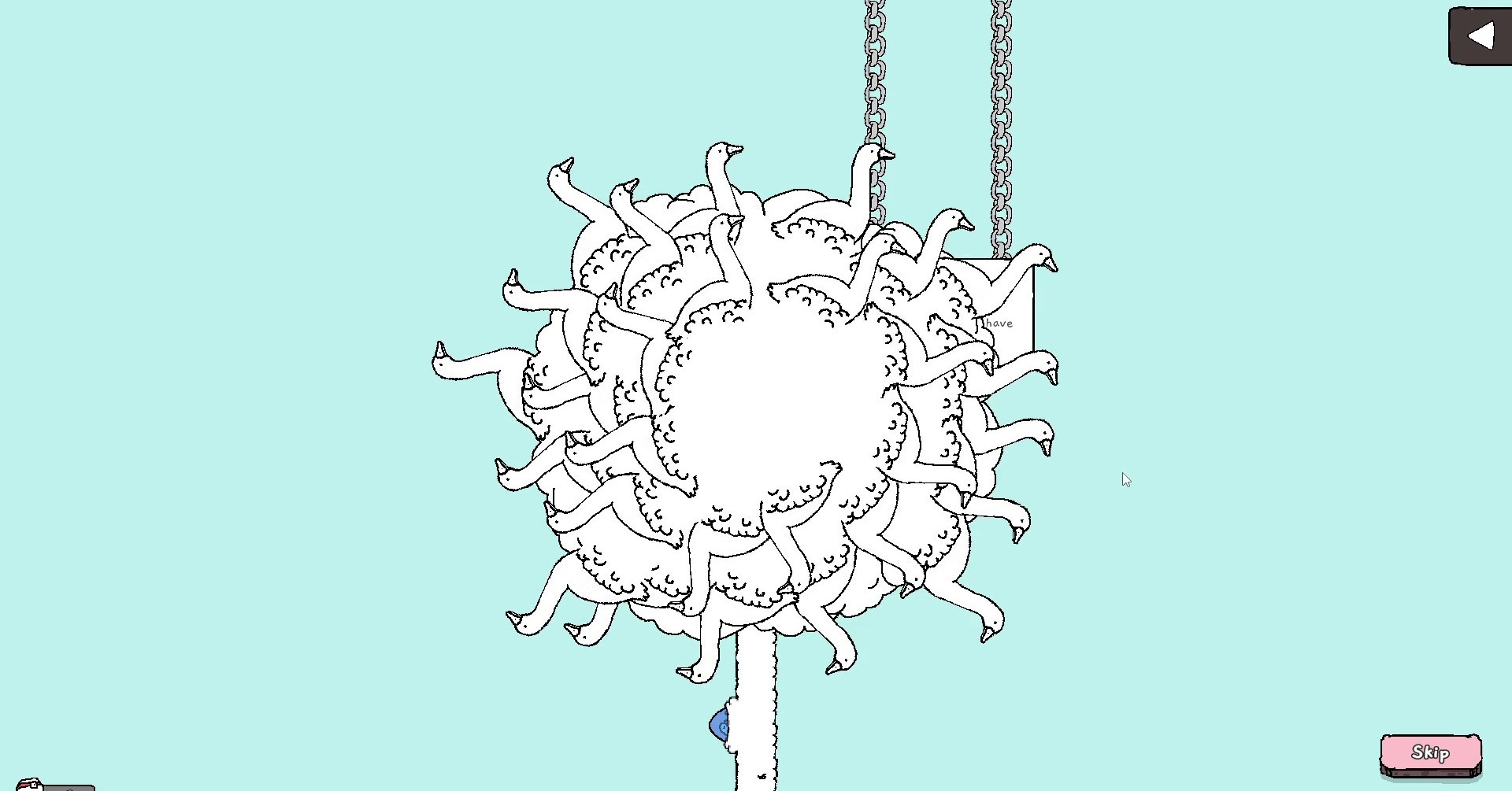
Brian explains how MasterTingus’s chaotic animation was reverse-engineered into a legible incremental game.
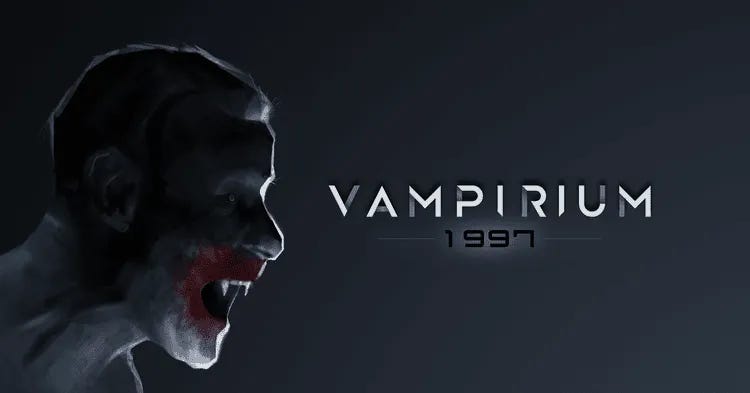
How a production constraint turned into a language: inside Bithell Games' abstracted take on Deus Ex and Hitman.

Inside White Star Studio’s redesign of Feastopia’s reward system — from three disconnected mechanics to one converged Grace Powers loop
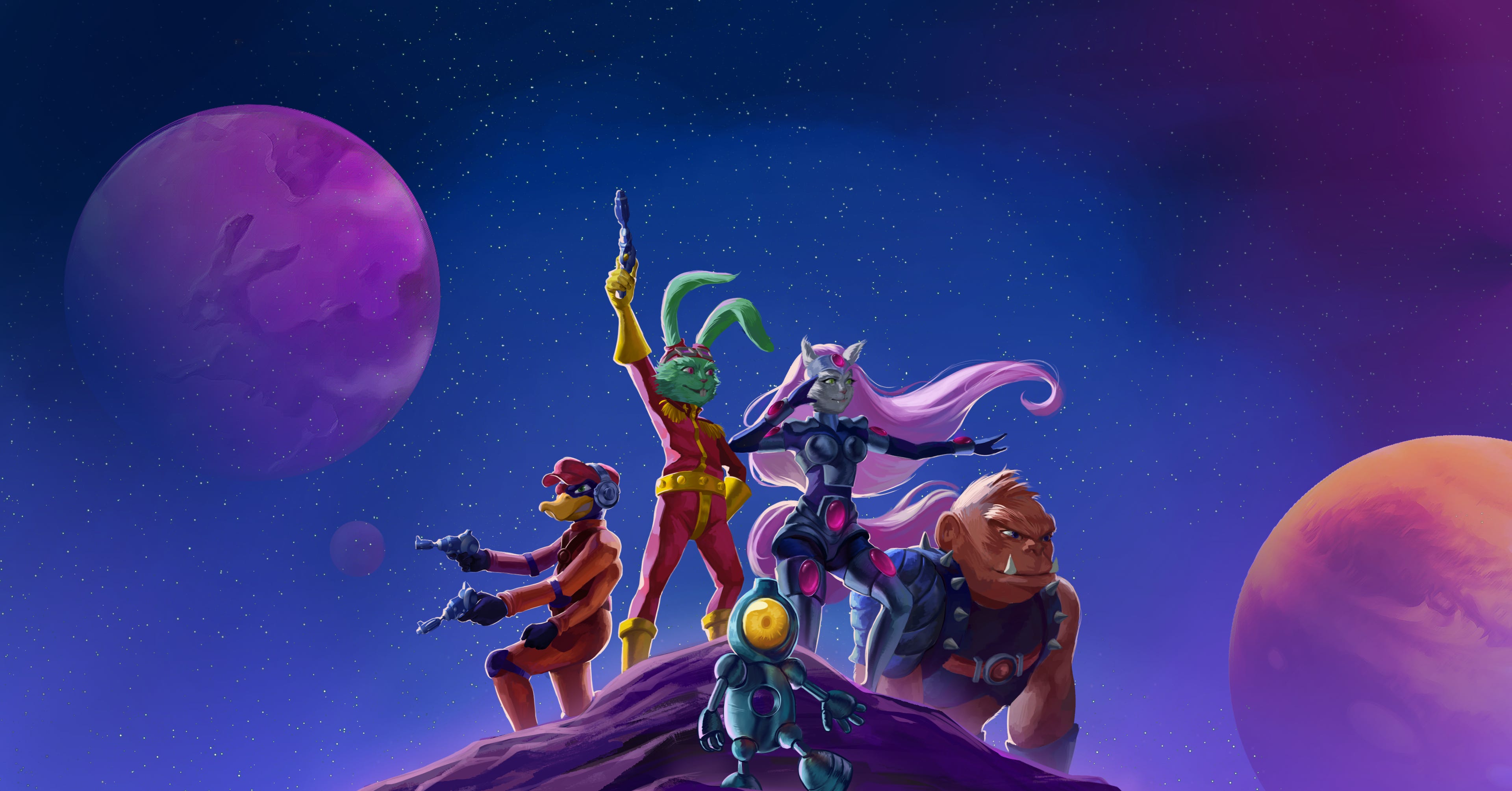
How Gummy Bunny Games Turned Technical Constraints Into Signature Mechanics.
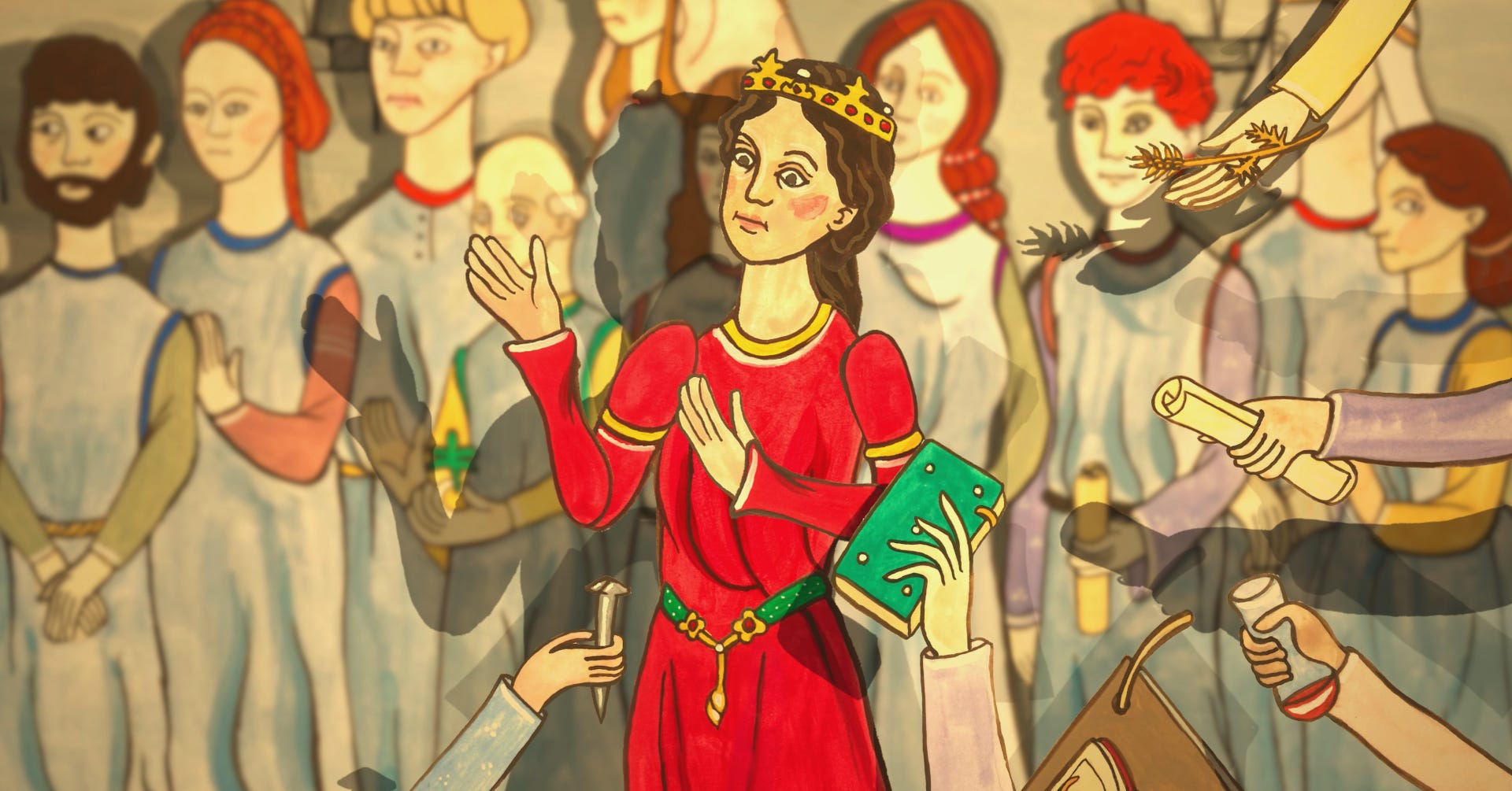
Inside a political adventure game in development built on the idea that information should never quite become certainty.
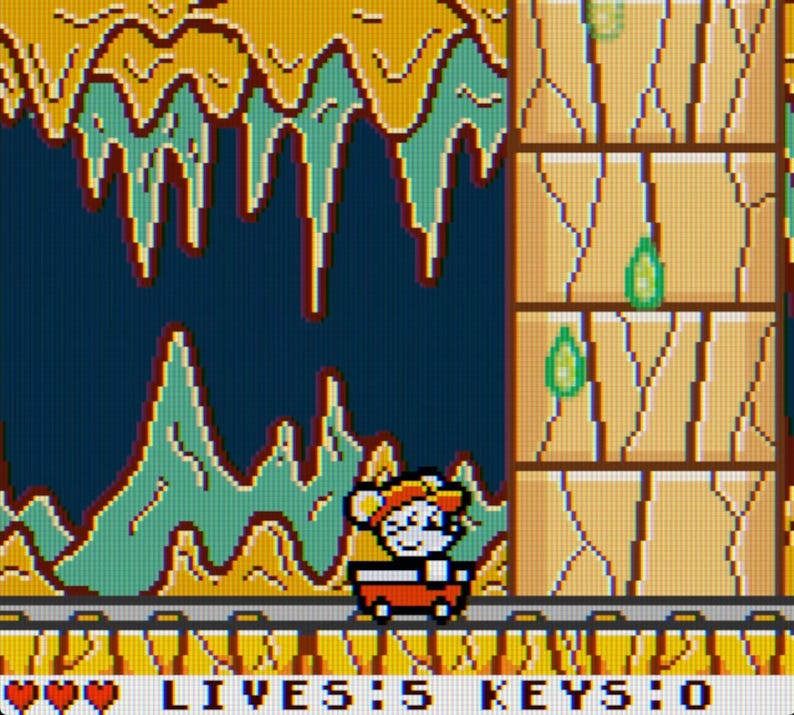
How a Game Boy Color platformer about Indiana Jones turned out, to its own creator's surprise, to be the Disney game he'd wanted since childhood.

This isn't a game about mental illness. It recruits the player's own frustration as its primary material.
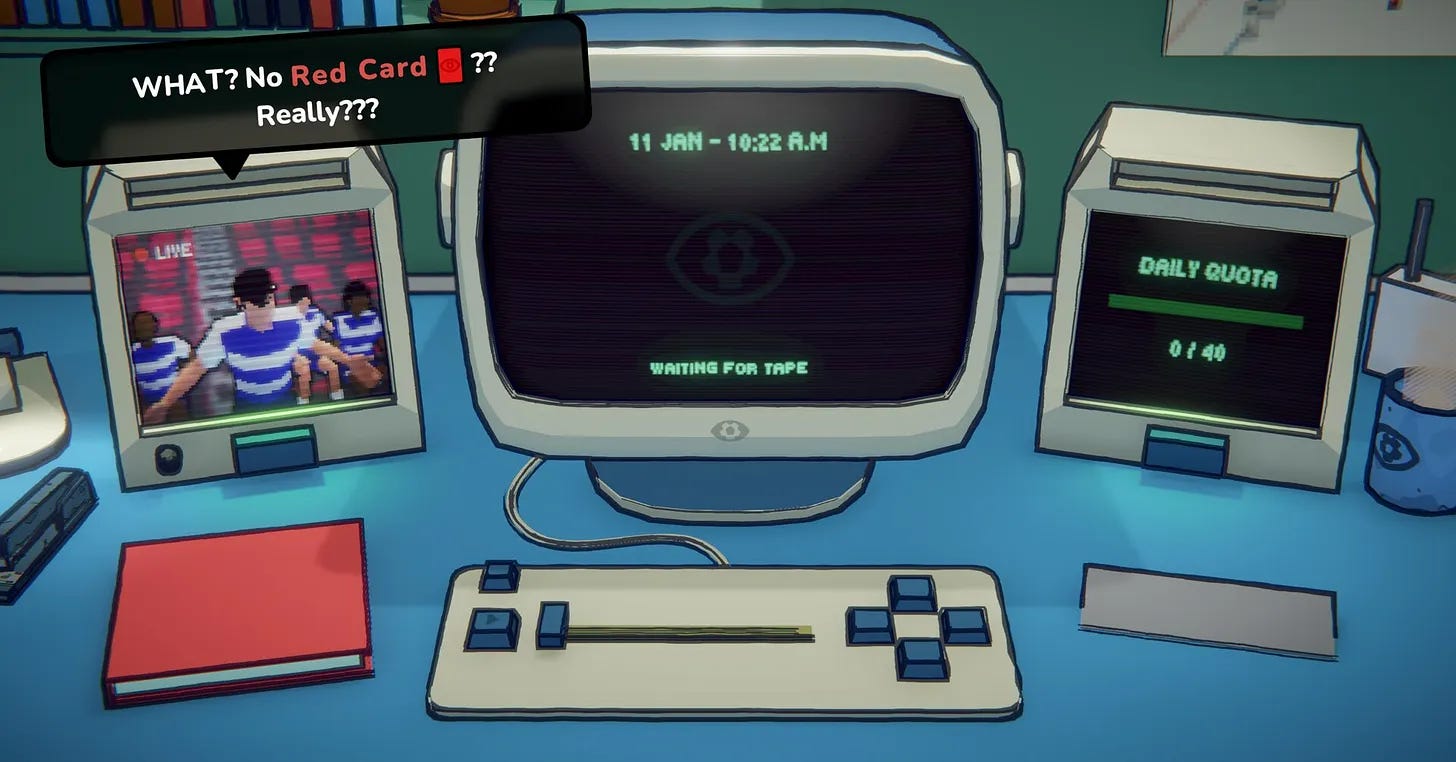
In conversation, André Cardoso explains why he abandoned VAR's real-world restraint the moment realism stopped serving the game.
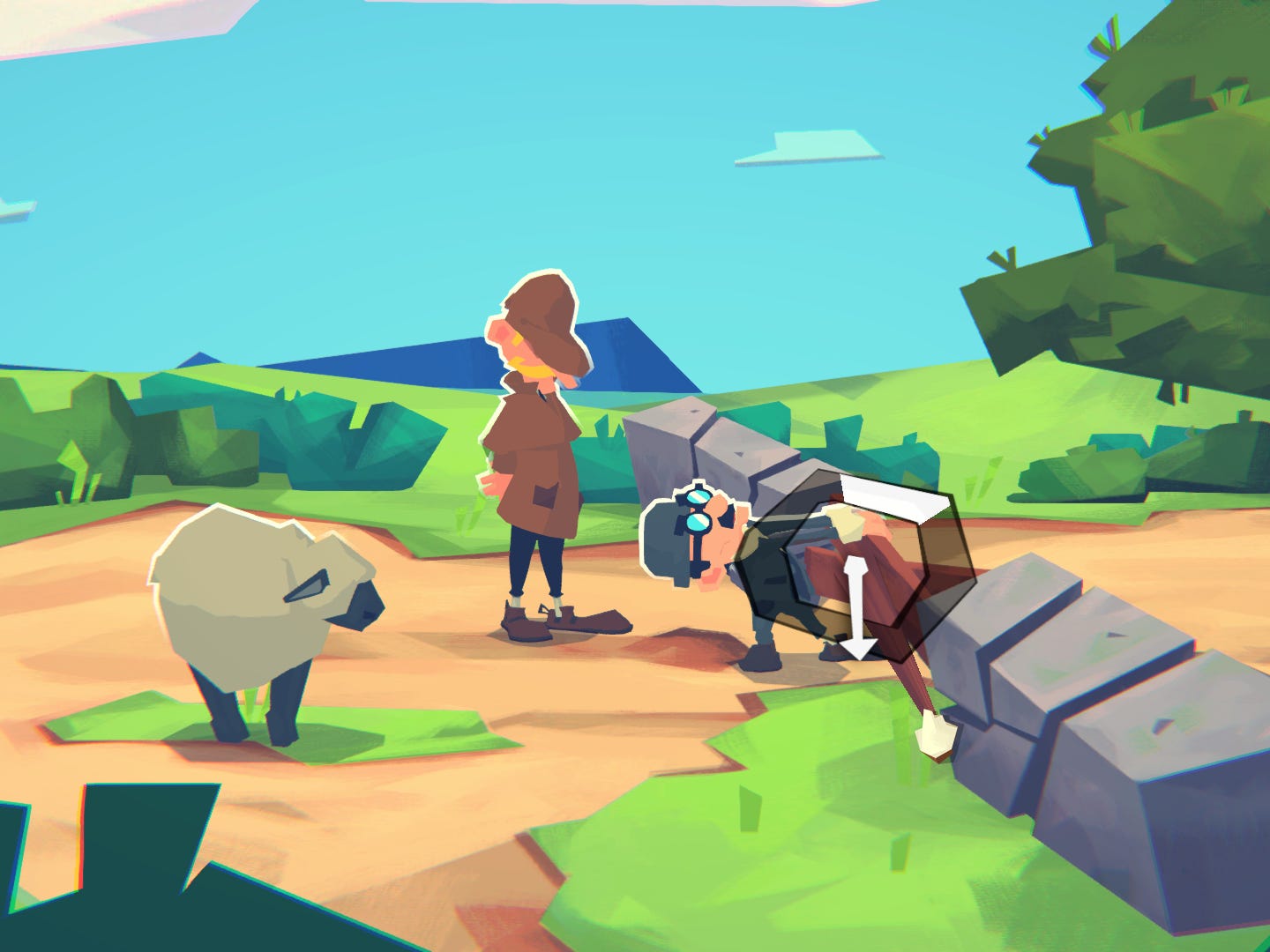
Inside Draw Me A Pixel's point-and-click, a missing mechanic becomes the whole design.
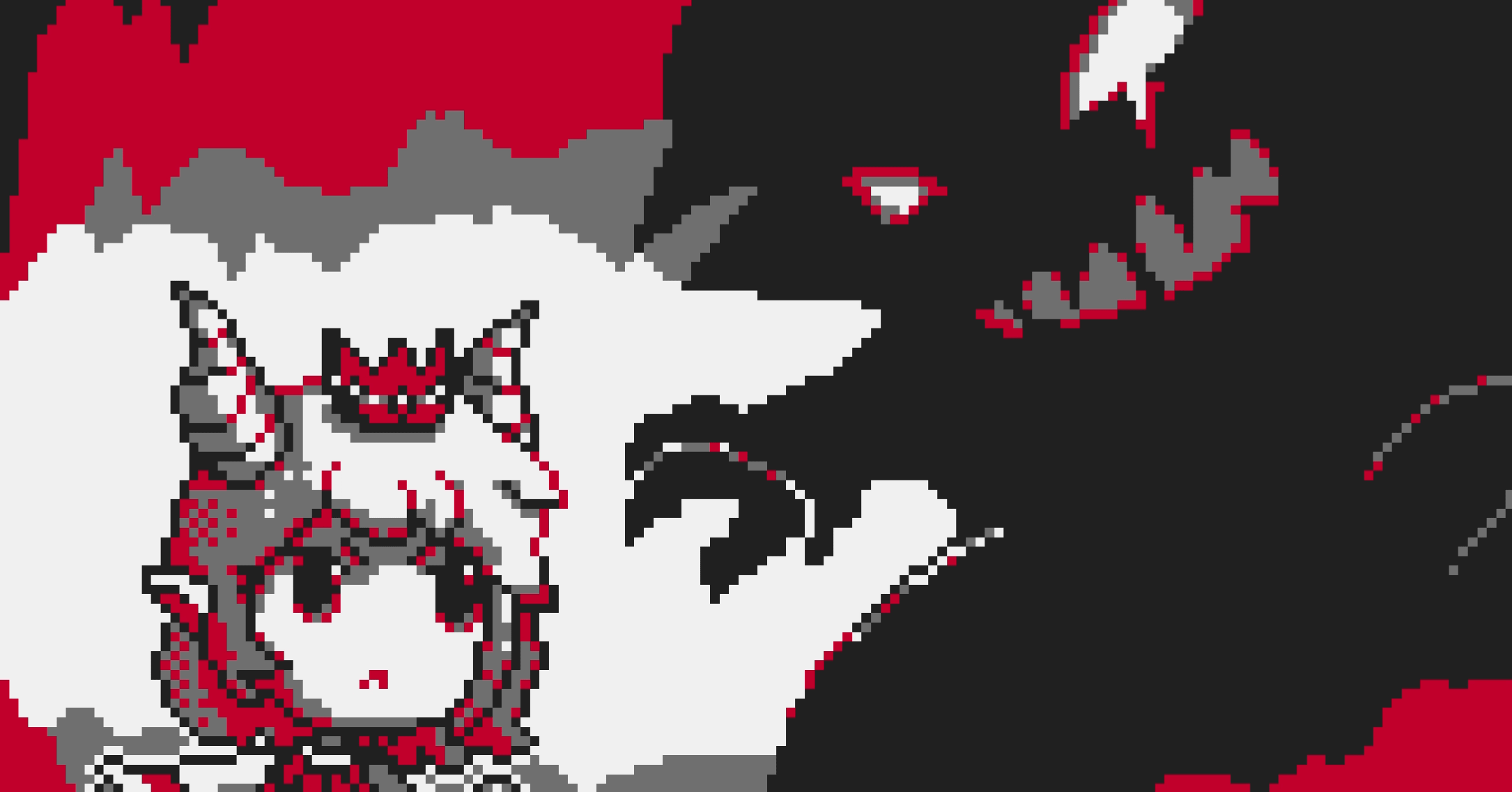
When everything locked into place.
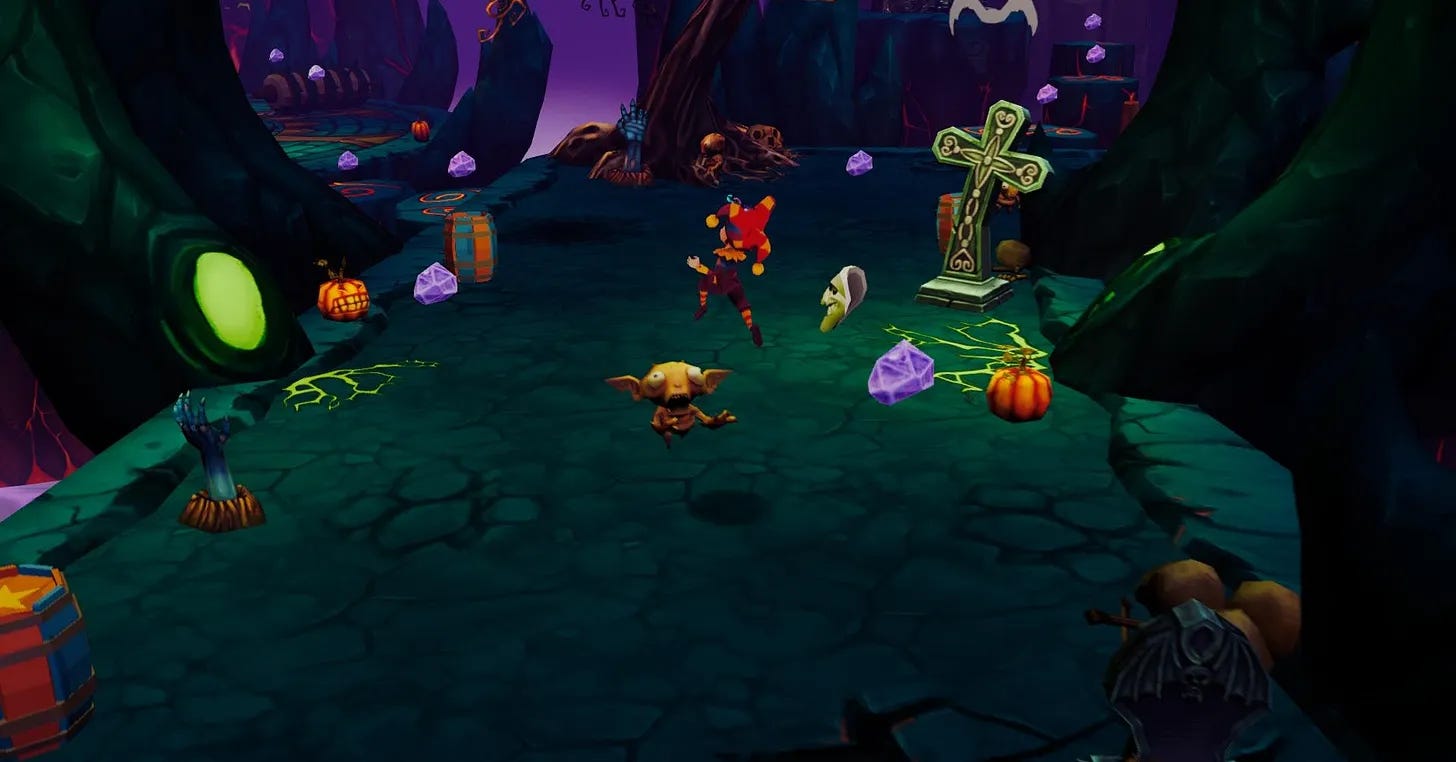
A conversation with David Ho on movement, design philosophy, and why restraint might be the most radical choice in modern platformers.
The Attempt to Make Everything Serve the Story.