 Mediavania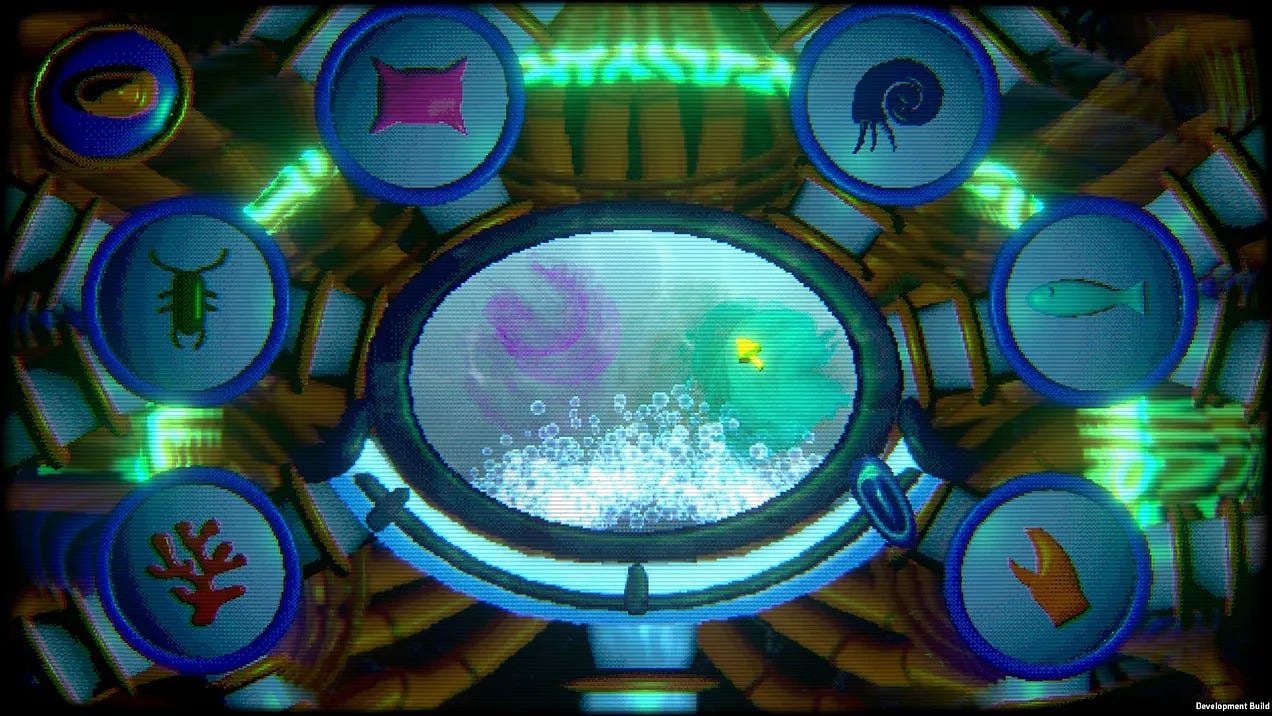
Game Development
Panthalassa Treats the Interface as the World
On knowledge, navigation, and a Portuguese point-and-click in the tradition of Silver Case.
Publication
On knowledge, navigation, and a Portuguese point-and-click in the tradition of Silver Case.
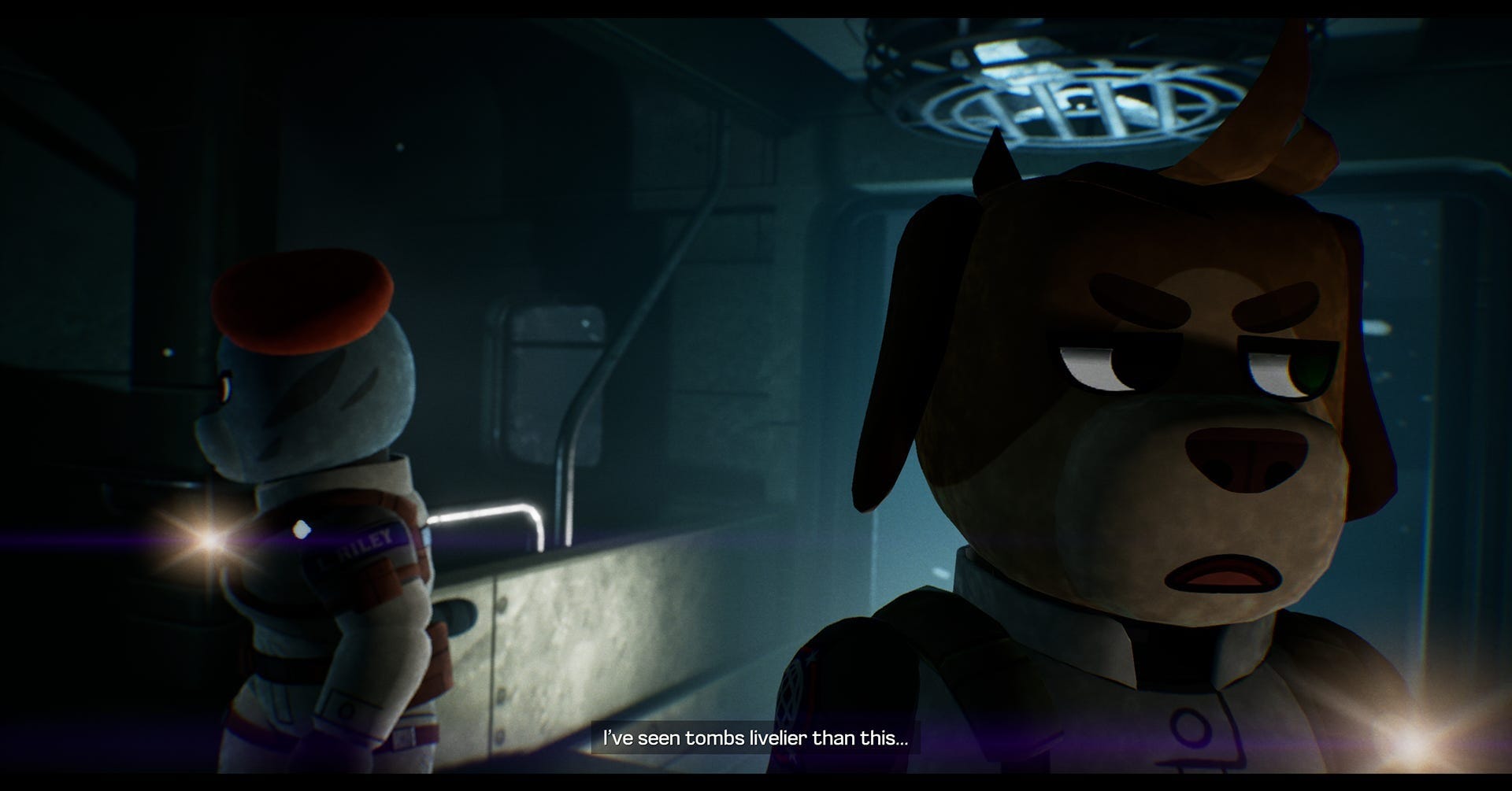
An interview-based breakdown of Fright Train's inventory, reload, and enemy-interaction systems, and how they generate tension without scripted scares.
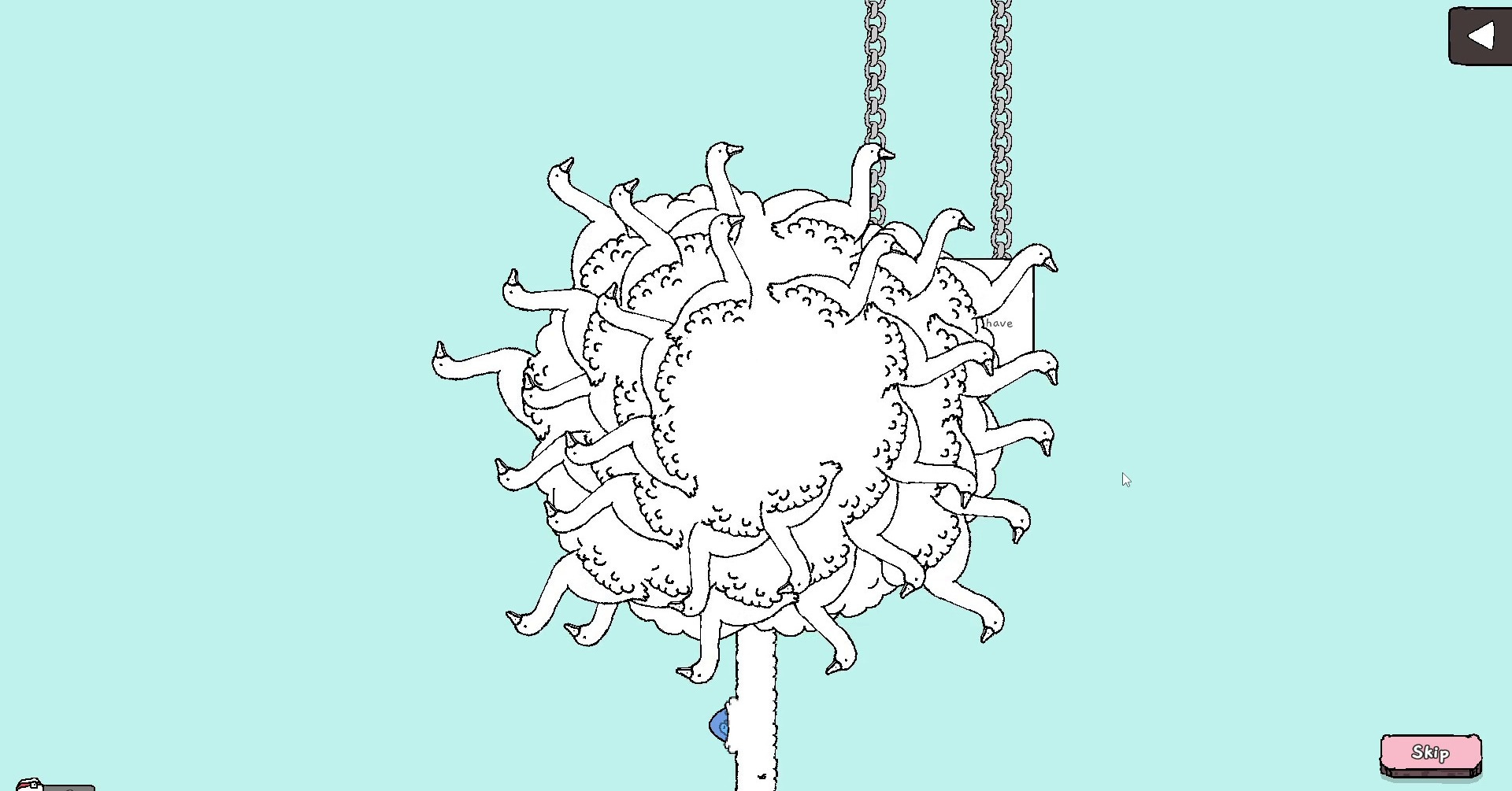
Brian explains how MasterTingus’s chaotic animation was reverse-engineered into a legible incremental game.

How a production constraint turned into a language: inside Bithell Games' abstracted take on Deus Ex and Hitman.

Inside White Star Studio’s redesign of Feastopia’s reward system — from three disconnected mechanics to one converged Grace Powers loop
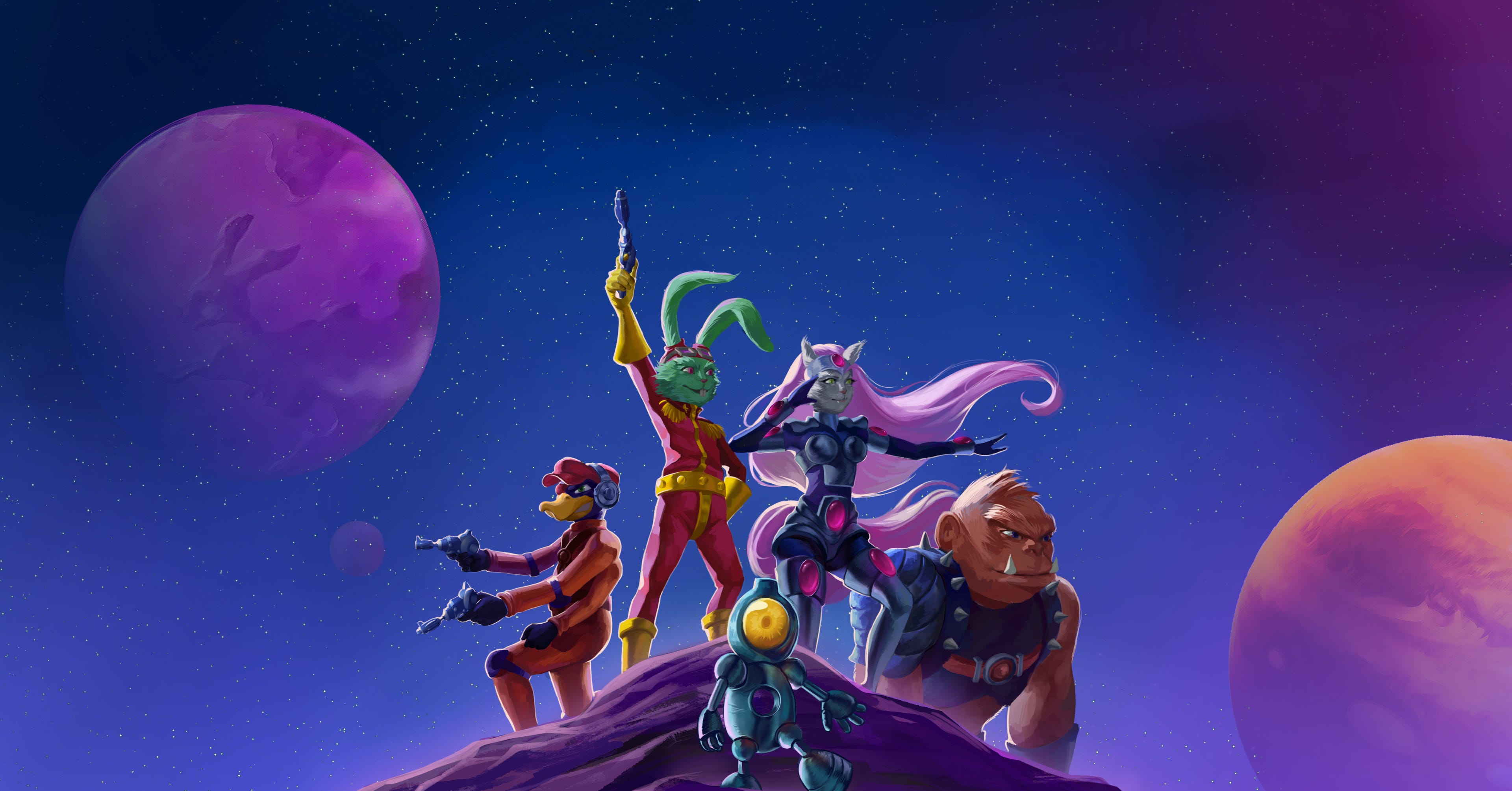
How Gummy Bunny Games Turned Technical Constraints Into Signature Mechanics.
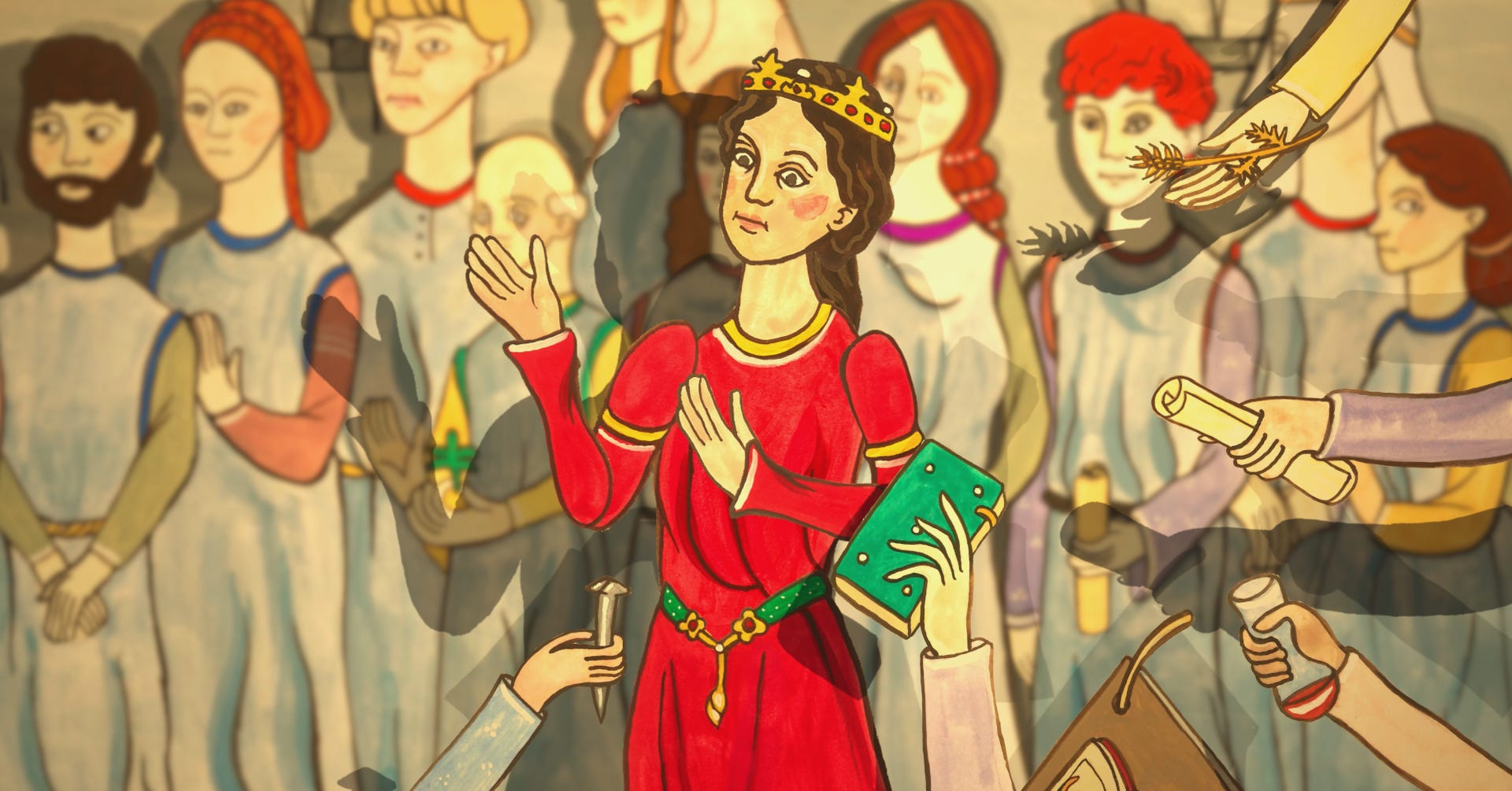
Inside a political adventure game in development built on the idea that information should never quite become certainty.
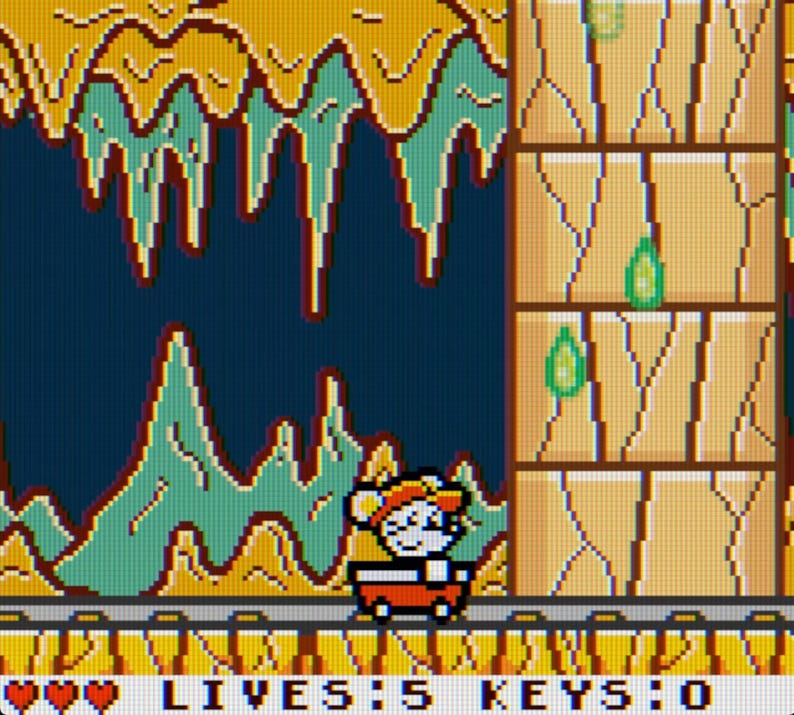
How a Game Boy Color platformer about Indiana Jones turned out, to its own creator's surprise, to be the Disney game he'd wanted since childhood.

This isn't a game about mental illness. It recruits the player's own frustration as its primary material.
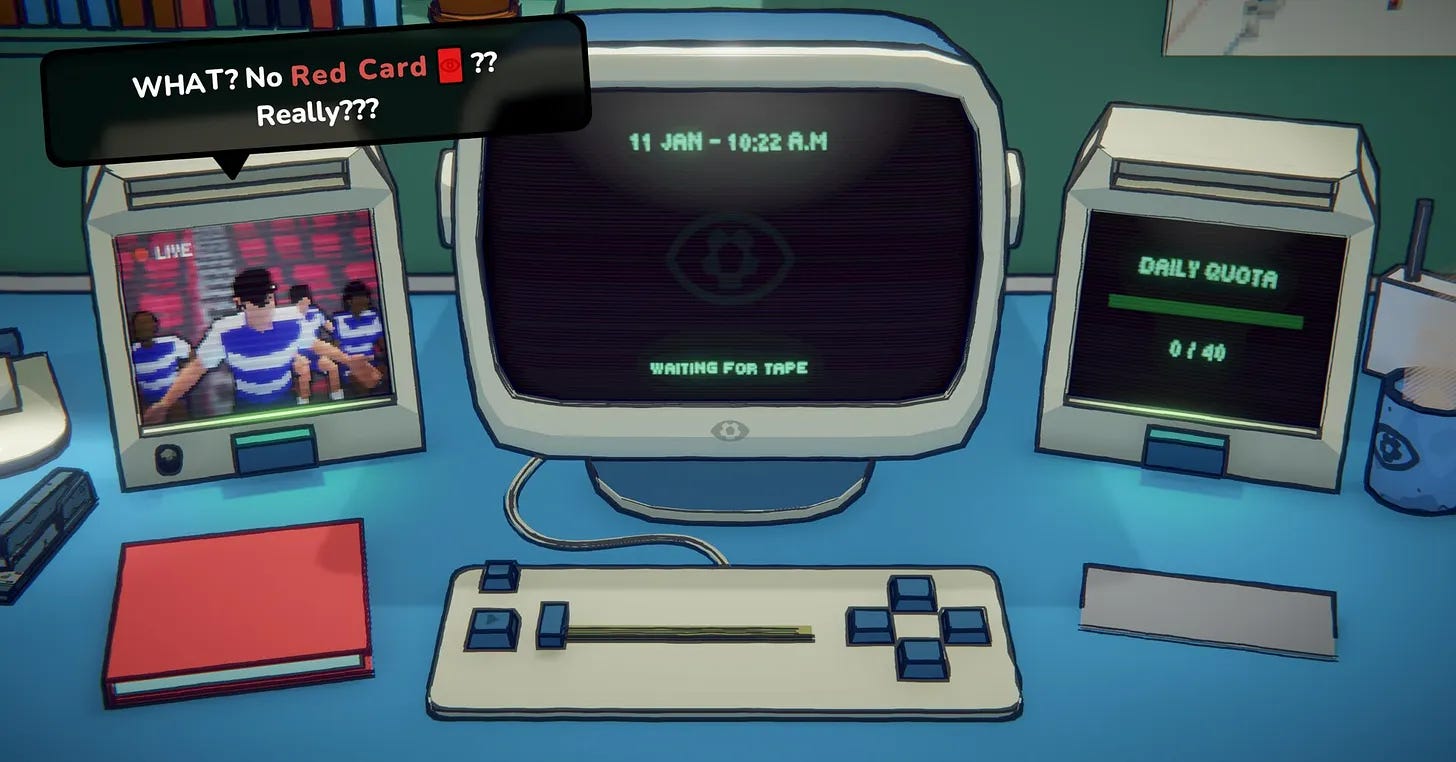
In conversation, André Cardoso explains why he abandoned VAR's real-world restraint the moment realism stopped serving the game.

A rhythm RPG's development, and the discipline of stripping inherited rules down to the parts that still hold.

Inside Draw Me A Pixel's point-and-click, a missing mechanic becomes the whole design.

How systems are built, restrained, and only then given meaning.

When everything locked into place.
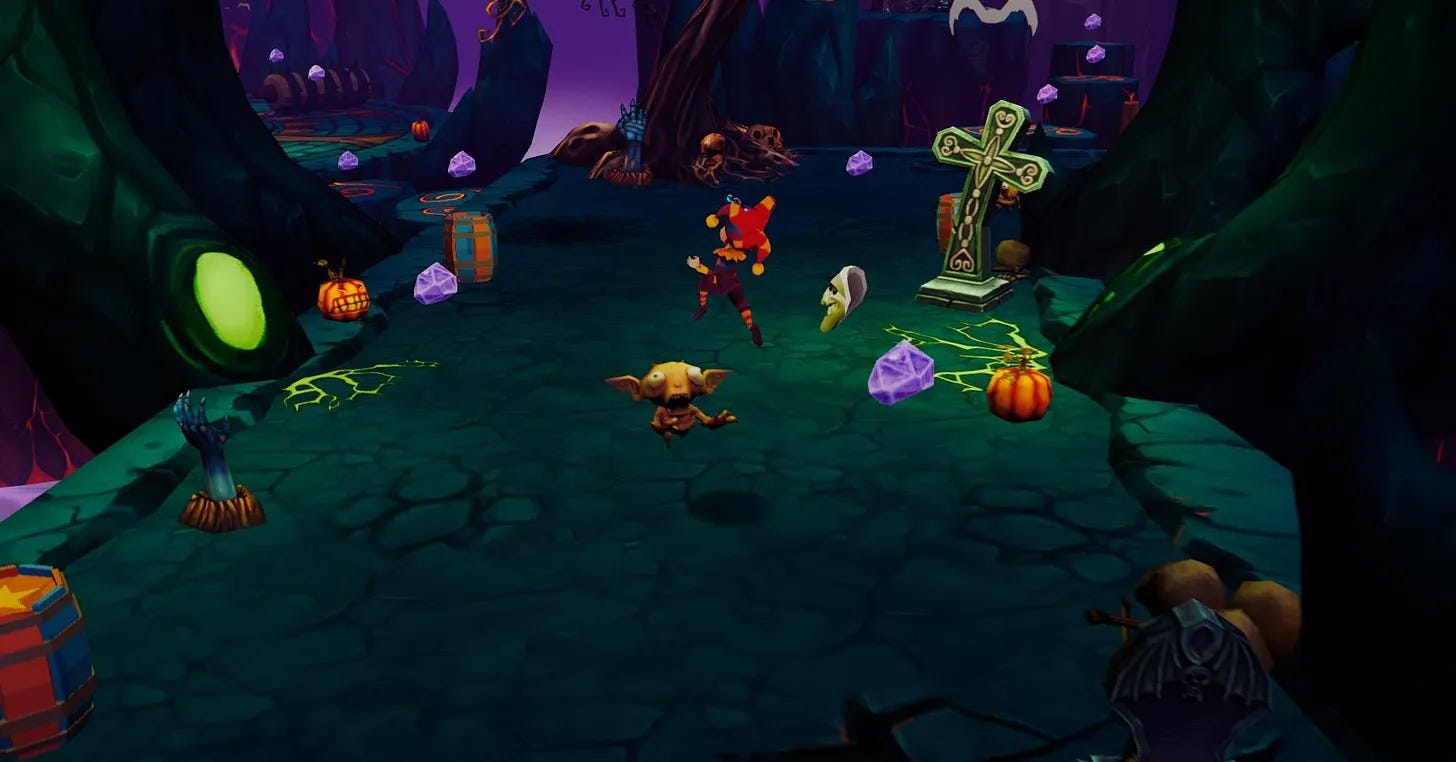
A conversation with David Ho on movement, design philosophy, and why restraint might be the most radical choice in modern platformers.

The Attempt to Make Everything Serve the Story.