 Mediavania

Discover the best writing in gaming.
Search, choose a category, stack tags, and keep refining the feed.
Weeklyvania
The best games writing, weekly.
Filters (1)
Categories
Explore Next
Narrowed Feed
60 results

Game Development
Who Plays Lucia?
GTA VI’s lead has a whole subculture devoted to finding her performer before the game is even out. It is the clearest proof that Rockstar’s real moat was never its engine, but twenty-five years of cha
Game Development
AI Is the Worst at Godot Which is Why Vibe Coders Keep Picking It.
Models know Unity better. Godot’s advantage is that their mistakes sit in plain text where anyone can find them, and so far it shows up in prototypes, not in the games that make money.
Game Development
Making games showed me the nice side of the internet
The behind the scenes heroes who make the tools and tutorials
Game Development
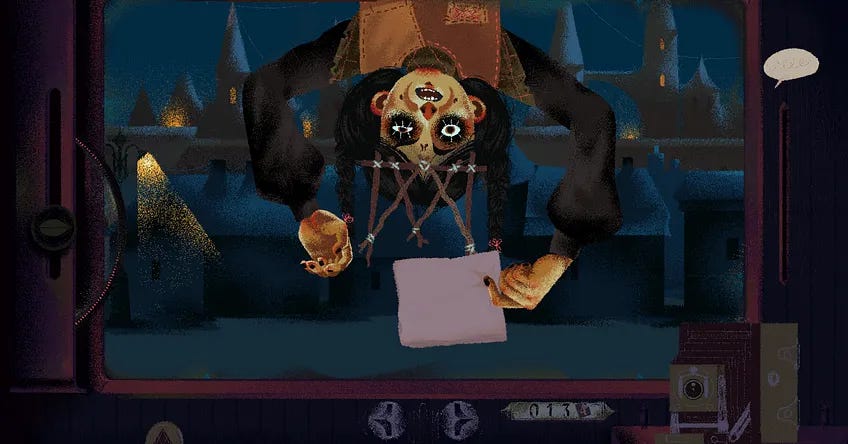
Inkblood: How Photography Changes Detective Game Design
An exploration of how Hey Bird!’s occult detective game uses photography, visual deduction and environmental clues to rethink how players investigate and solve cases.


Game Development
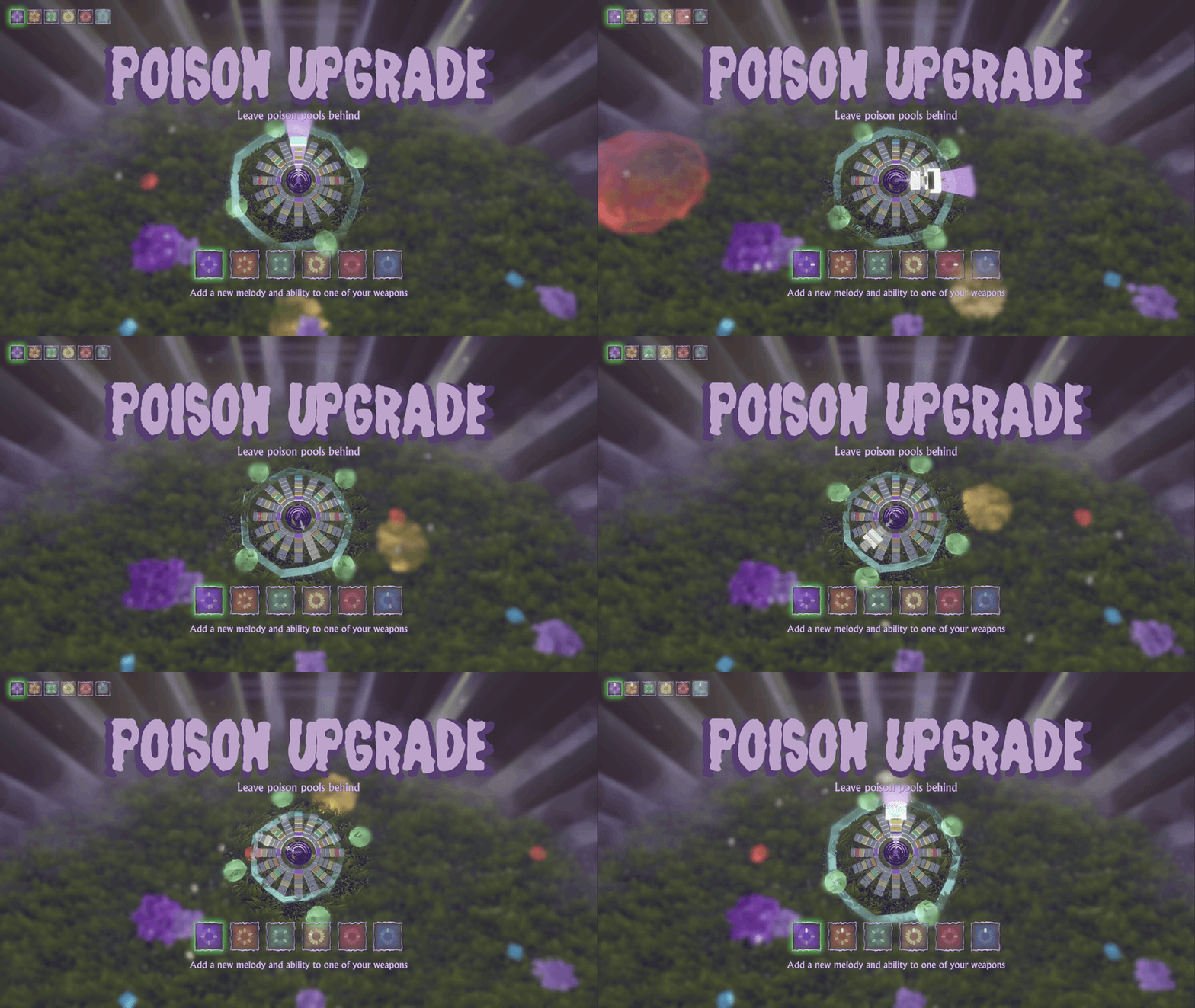
Who’s ready for Hallow-wicky-wicky-ween?
Major game updates, including a DJ mode for all you scratchers out there
Game Development
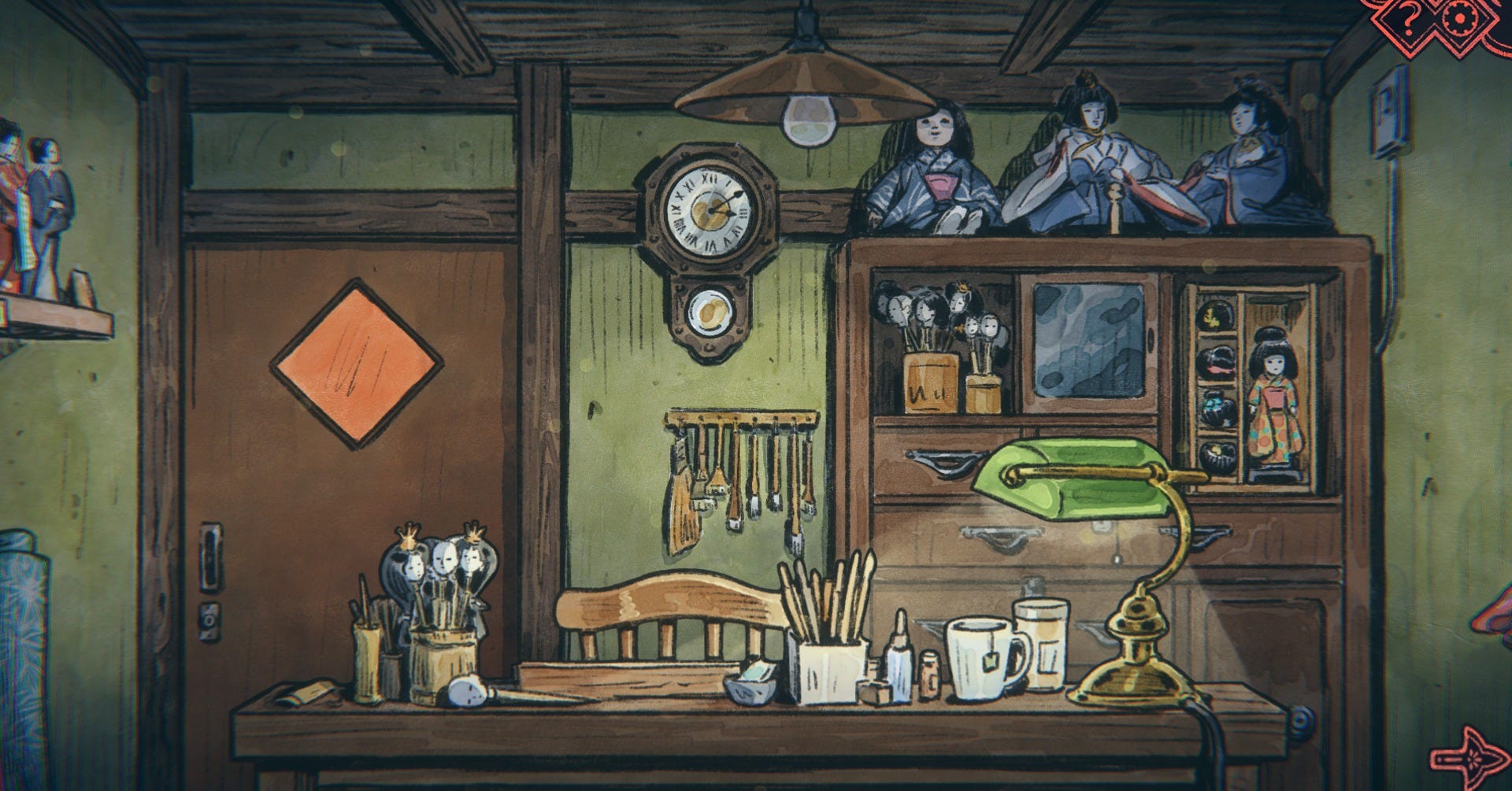
After the Last Ending: The Doll Shop’s Hidden Post-Game
Atelier Sentô’s hand-drawn narrative game about a dollmaker in a snowbound Japanese village had three complete endings and no good way to add a fourth. Its answer was a hidden post-game.
Game Development
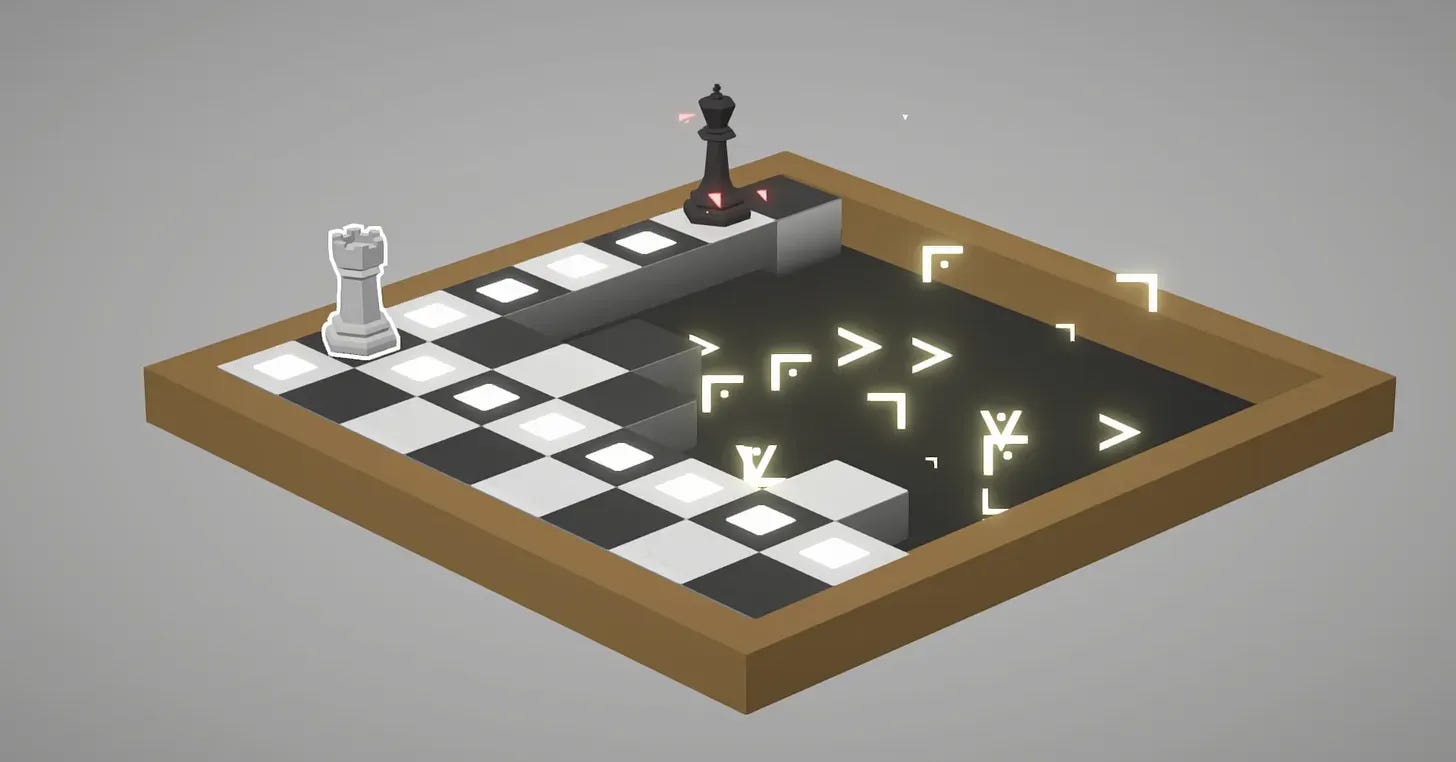
How Beyond the Board Turns Chess Rules Into Puzzle Design
Fragile Shapes Studio’s chess puzzle game uses familiar rules, unexpected mechanics and wordless storytelling to reshape what players expect from chess.
Game Development
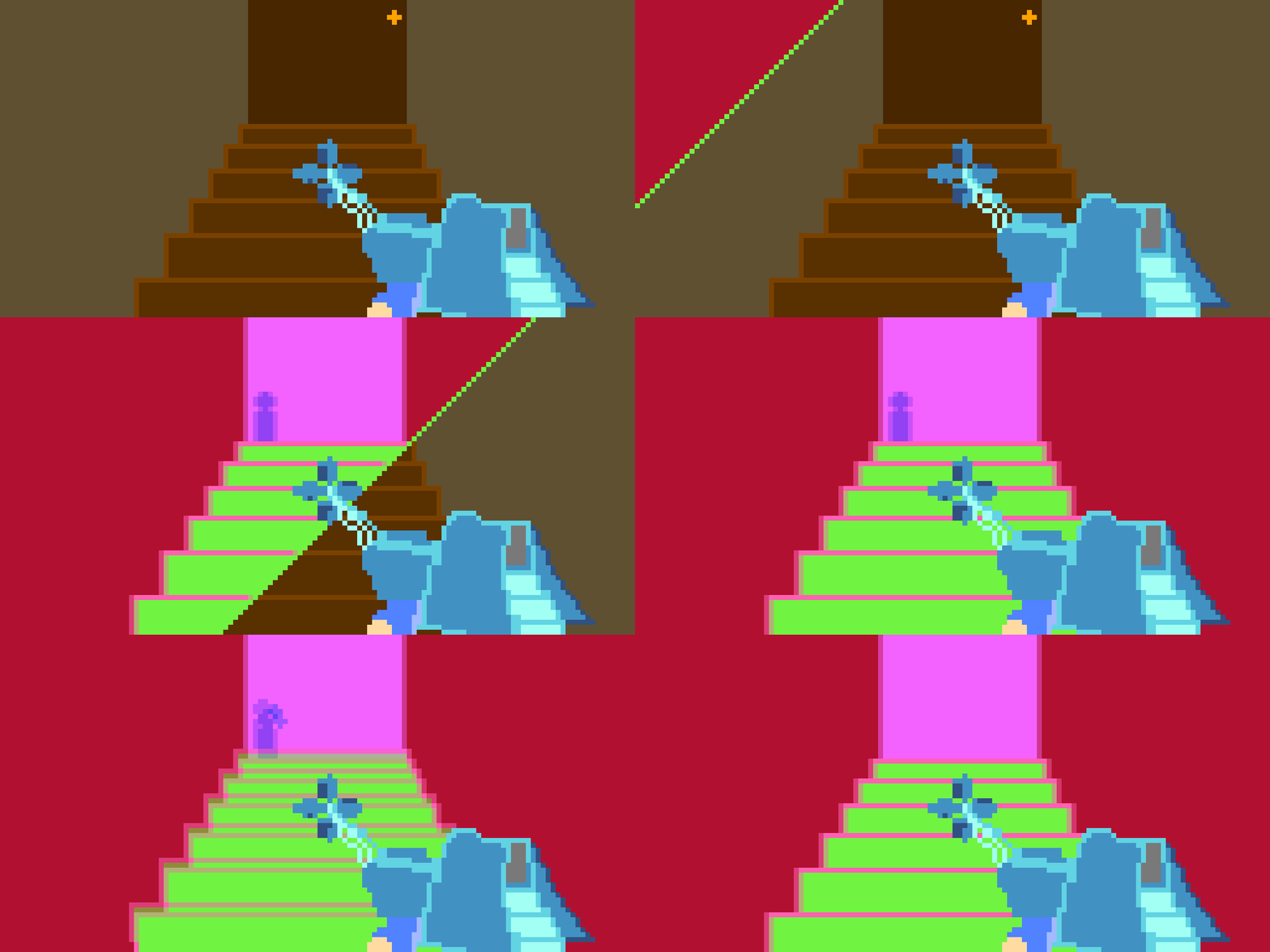
Perfect Dark’s hidden balancing act
The genius behind the most broken gun in the history of first person shooters
Game Development
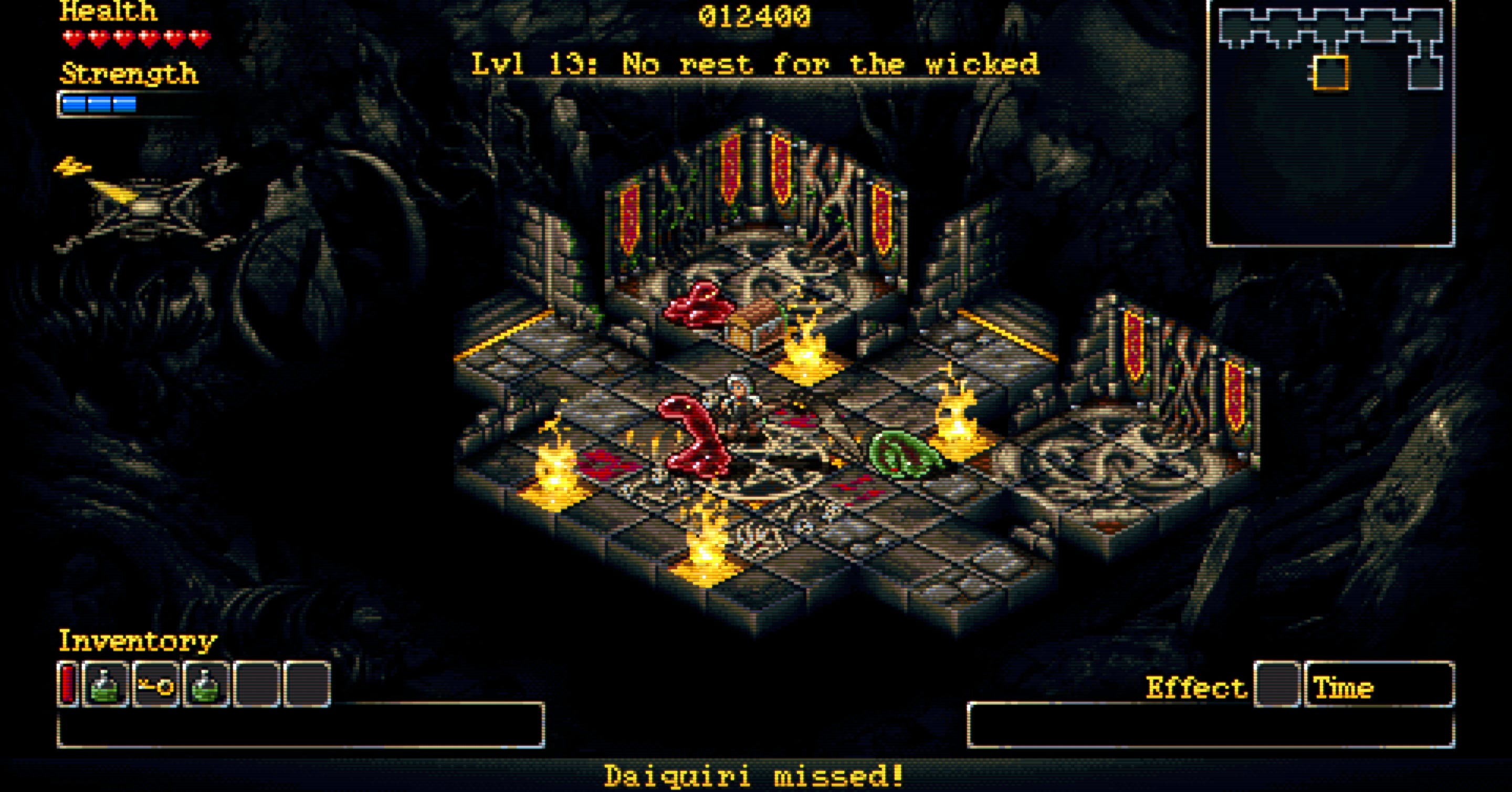
Fair Odds: How Roguecraft Manufactures the Feeling of Randomness
Inside the invisible rules that keep a roguelike’s dice honest.
Game Development
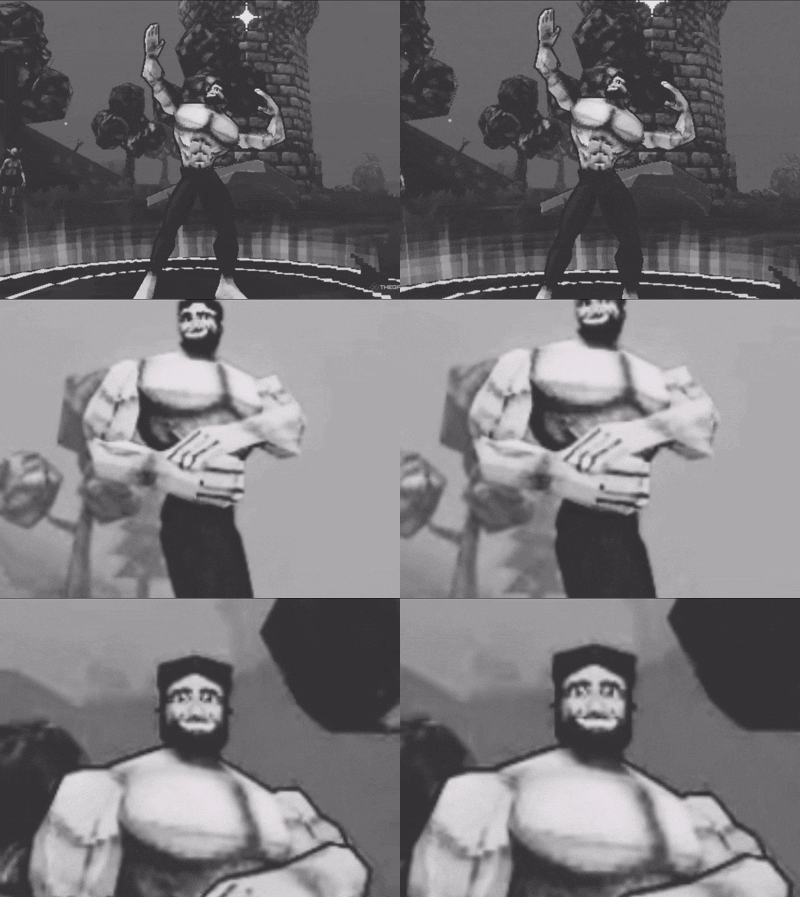
A Free Game Engine Is Taking the Power Back
Godot costs nothing, answers to no shareholder and now powers nearly half the games at the world’s biggest game jam. But the games making real money still mostly run on Unity and Unreal, and console
Game Development
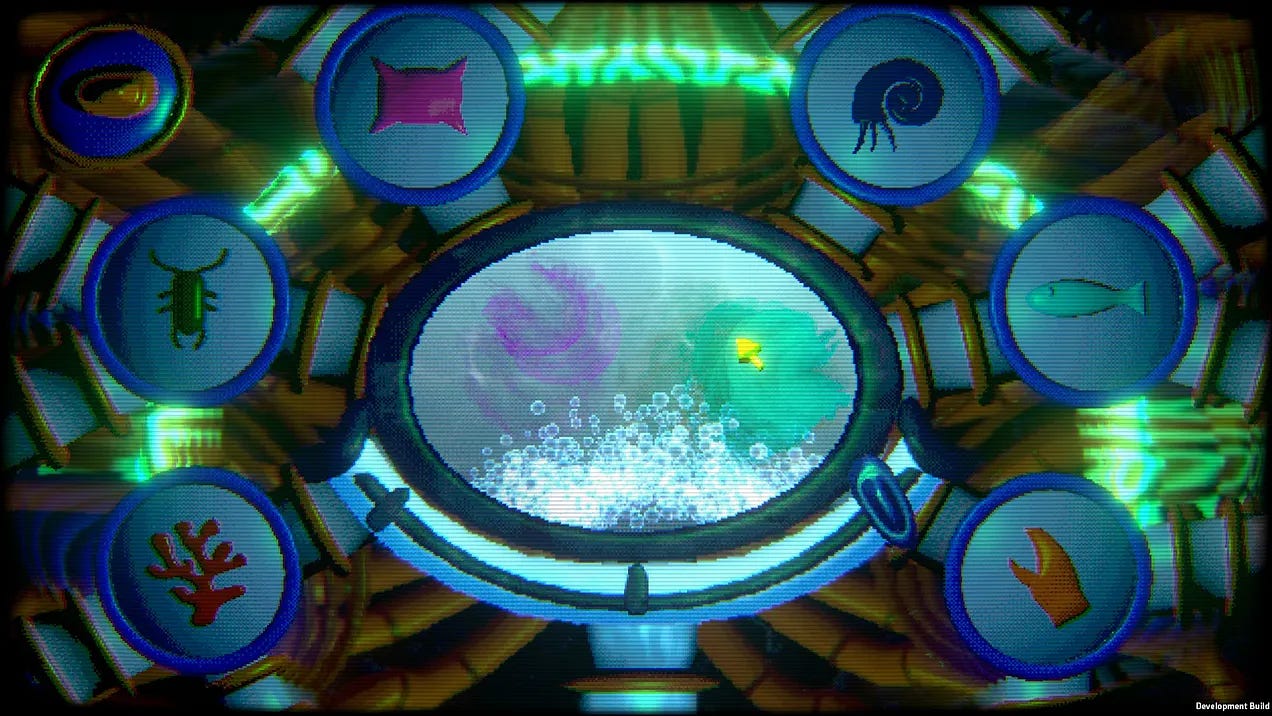
Panthalassa Treats the Interface as the World
On knowledge, navigation, and a Portuguese point-and-click in the tradition of Silver Case.

Game Development
How the Resident Evil movie stays on the rails
And its weird parallels with The Last of Us
Game Development
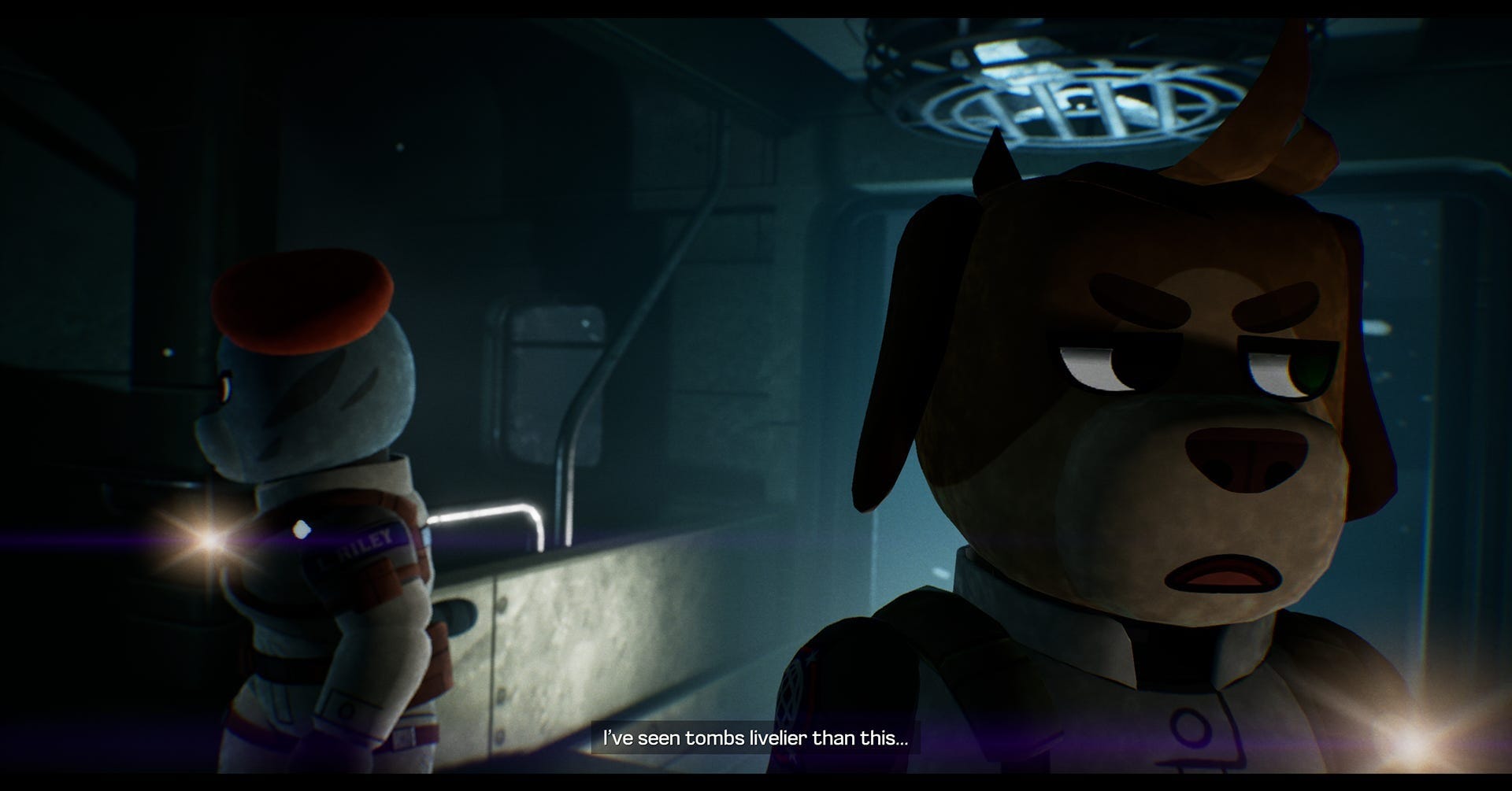
Fright Train: How WildArts Studio Turned Reloading a Gun Into the Core of Survival Horror
An interview-based breakdown of Fright Train's inventory, reload, and enemy-interaction systems, and how they generate tension without scripted scares.

Game Development
Q&A With Eric Albers
One of the lead designers of “Mysterium” for the Game Boy talks early game design, Game Boy development, and passing on the opportunity to port SimCity to the PC!

Game Development
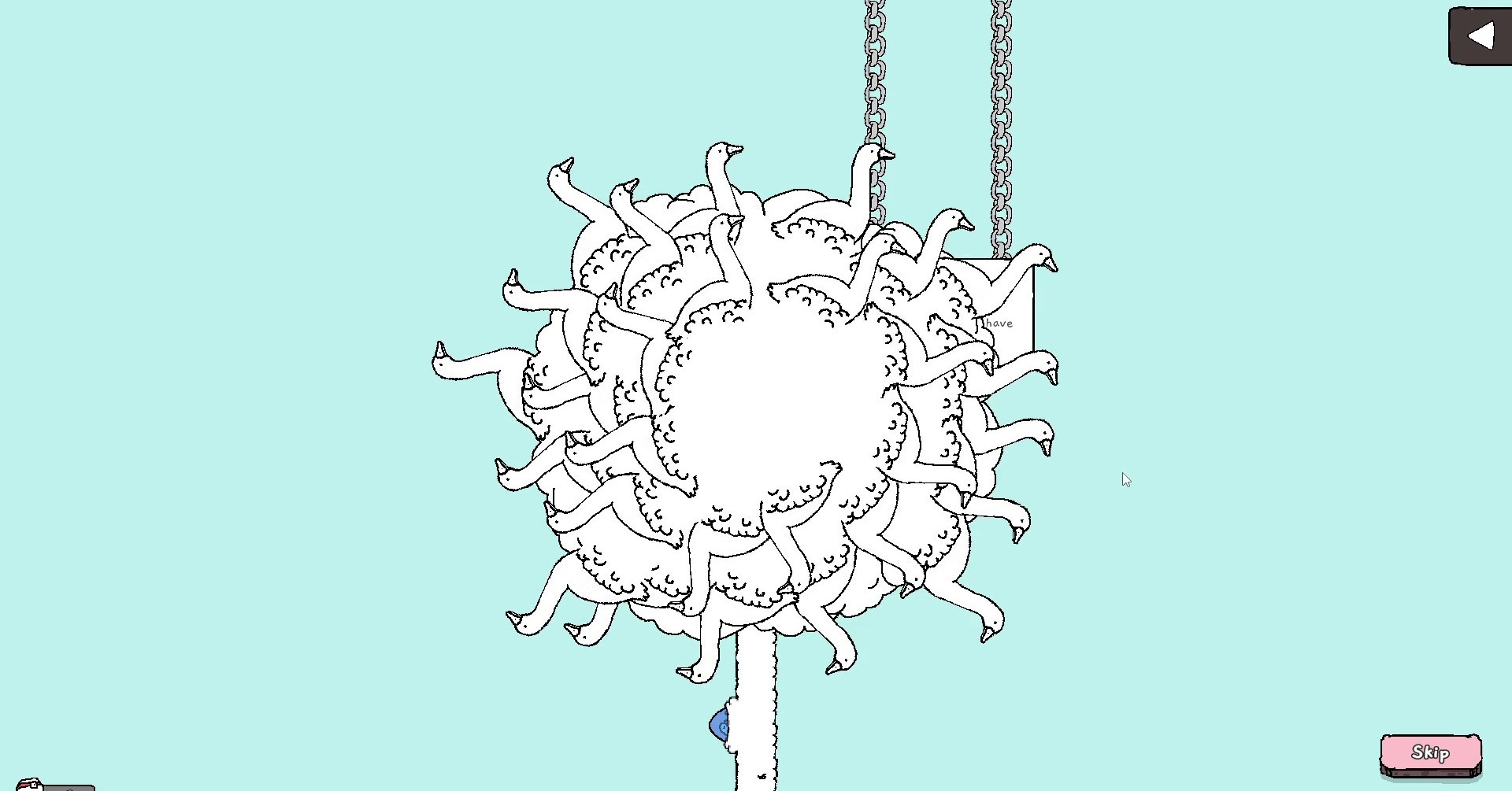
Tingus Goose: How a Rule-Less, Surreal Universe Became a Playable System
Brian explains how MasterTingus’s chaotic animation was reverse-engineered into a legible incremental game.

Game Development
Is it just me or is it getting funky and freaky in here
Short pivot to making a musical Halloween game
Game Development
Vampirium: 1997 and the Design Philosophy Behind Mike Bithell's Verb-Based Immersive Sim
How a production constraint turned into a language: inside Bithell Games' abstracted take on Deus Ex and Hitman.

Game Development
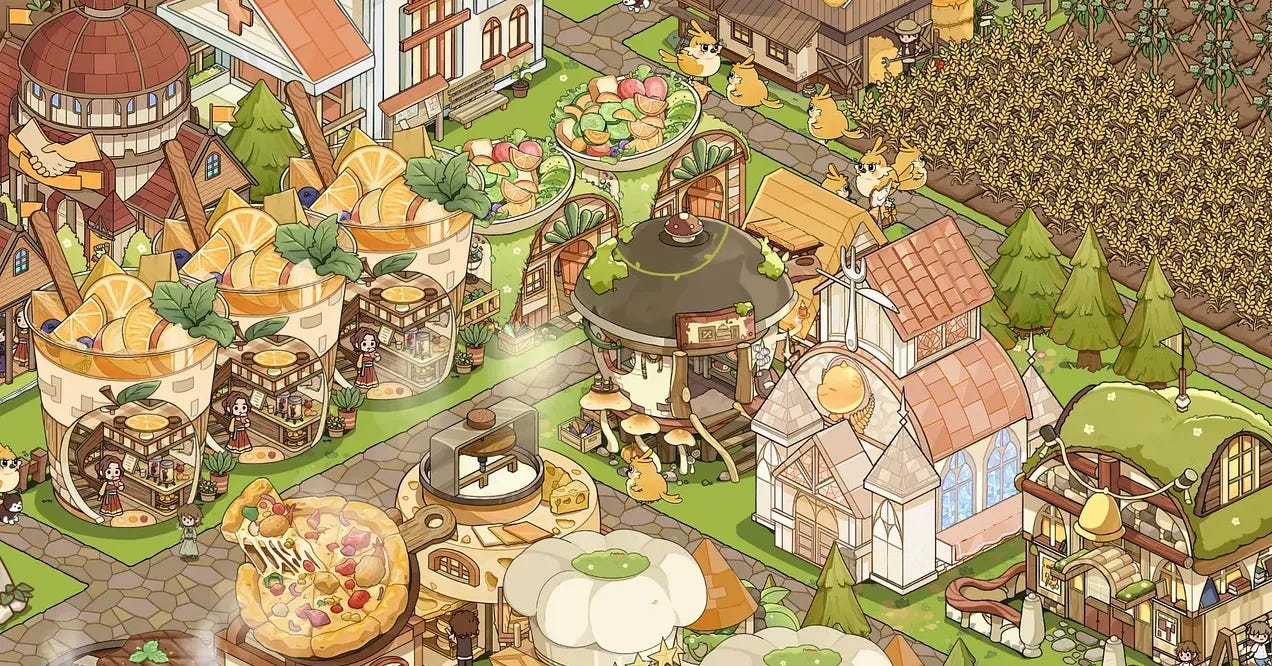
Feastopia: Why This Roguelite City Builder Almost Fell Apart at 18 Months
Inside White Star Studio’s redesign of Feastopia’s reward system — from three disconnected mechanics to one converged Grace Powers loop

Game Development
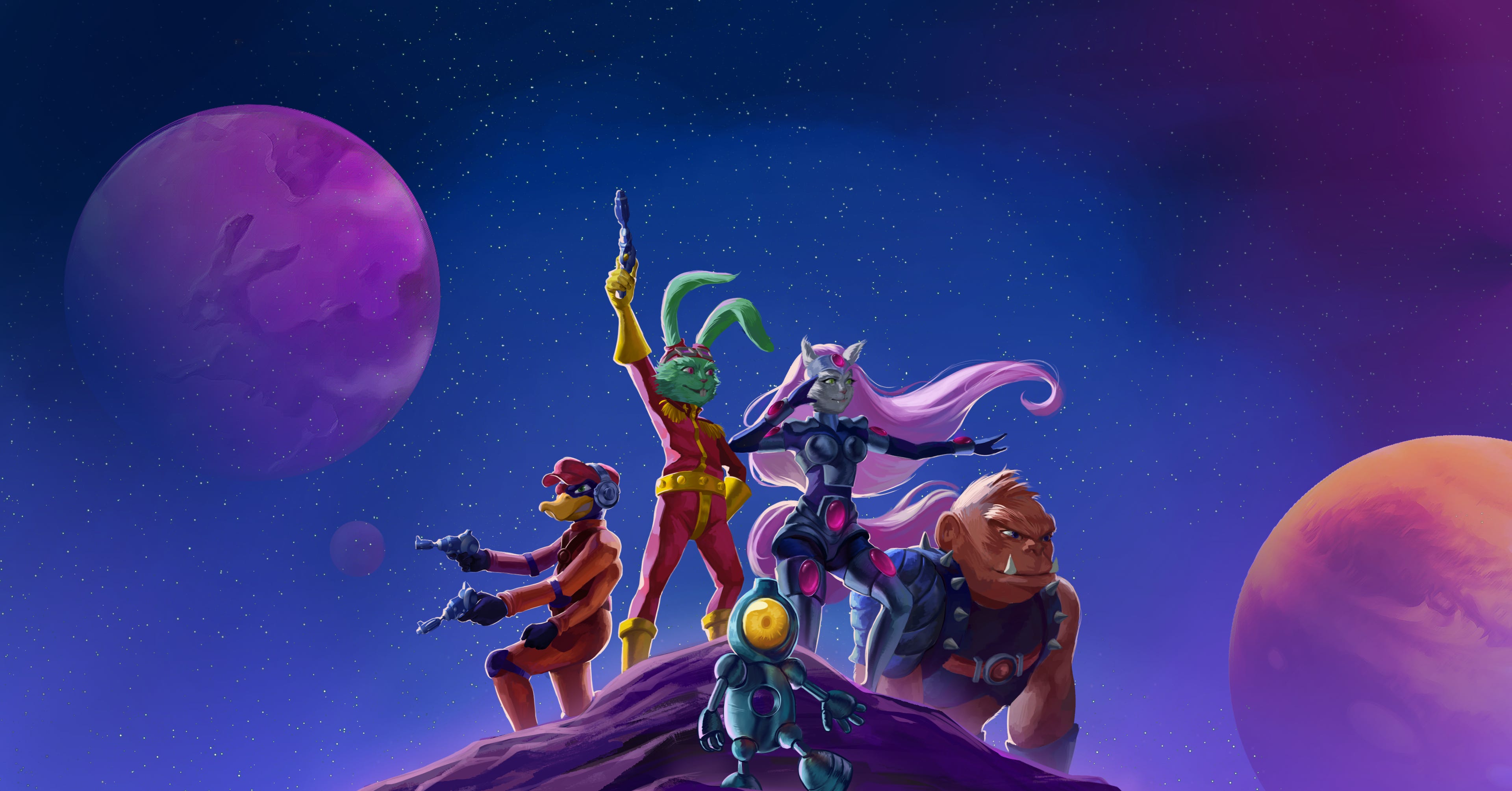
Heroes of the Aniverse: Designing Inside Someone Else's World
How Gummy Bunny Games Turned Technical Constraints Into Signature Mechanics.

Game Development
A Buffy Dance, An X-Men Cartoon, And A Roguelite Walk Into A Memetic Engine
One was an accident. One was a plan. Both are still working.
Game Development
Issue 5.13: The SOURCErer's Apprentice
Game Development As the Most Complete Magic You Can Actually Perform [A Metamagical, Ludological, Theological, and Philosophical Analysis]
Game Development
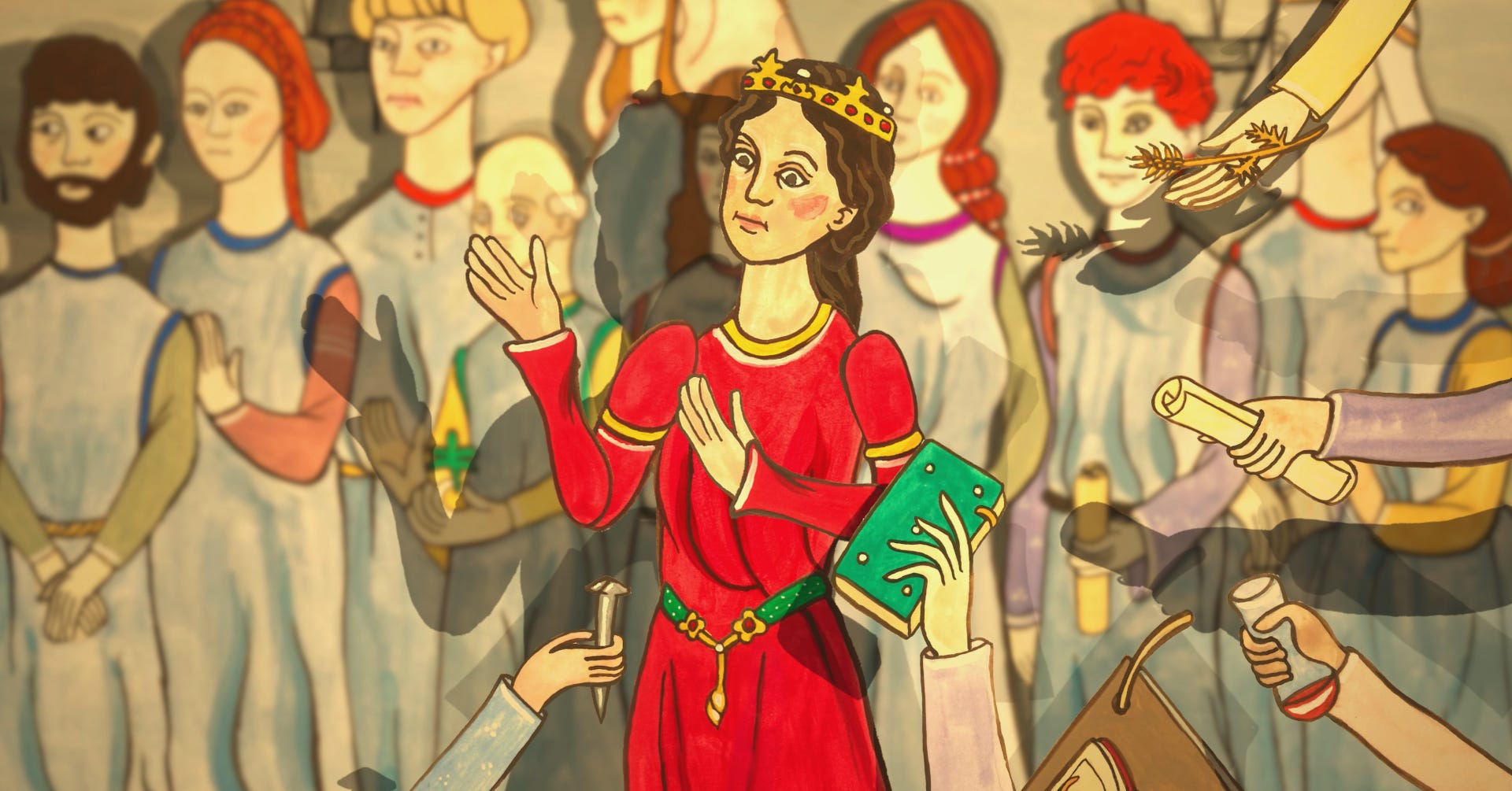
What Elflock Knows About Not Knowing
Inside a political adventure game in development built on the idea that information should never quite become certainty.
Game Development
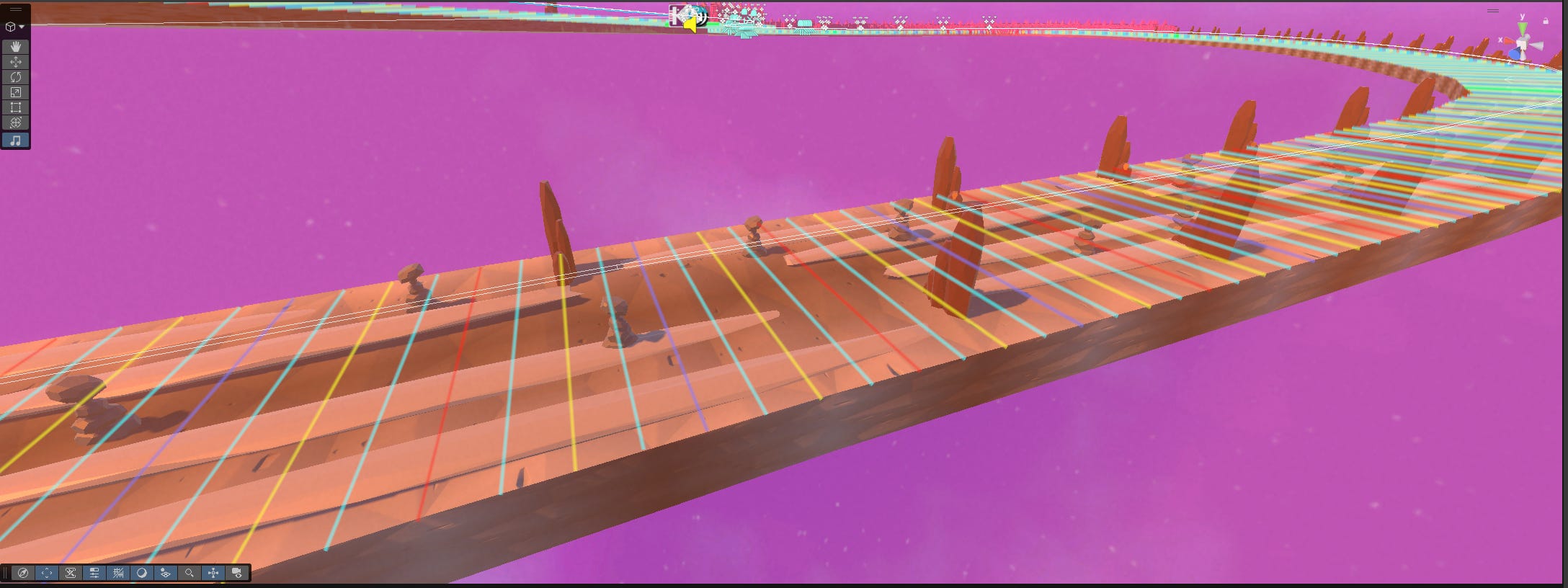
Building a "make my game musical" button
Creating custom tools to get my game to pop and lock to the beat
Game Development
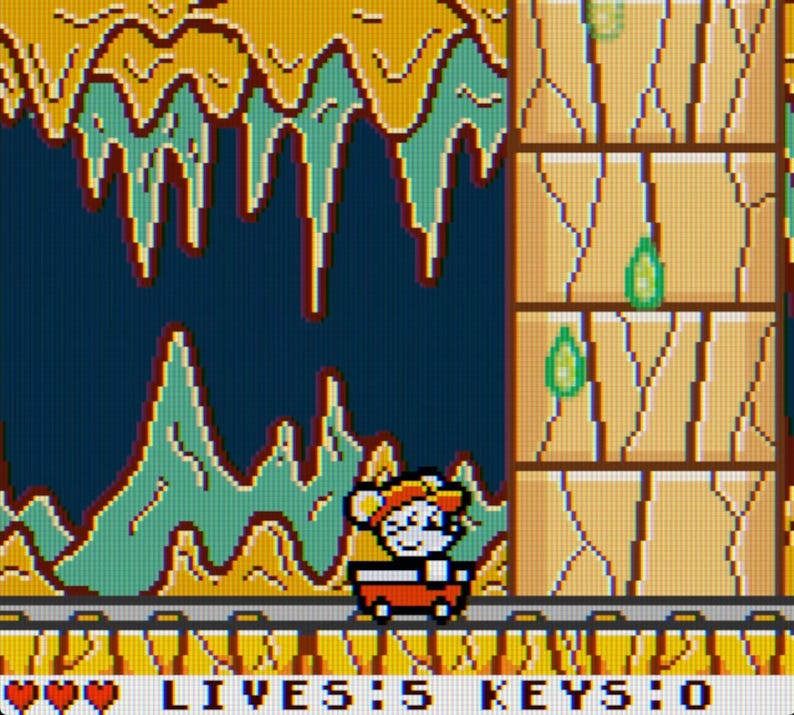
Fortune & Glory: The Game That Told Its Creator What He Was Making
How a Game Boy Color platformer about Indiana Jones turned out, to its own creator's surprise, to be the Disney game he'd wanted since childhood.
Game Development
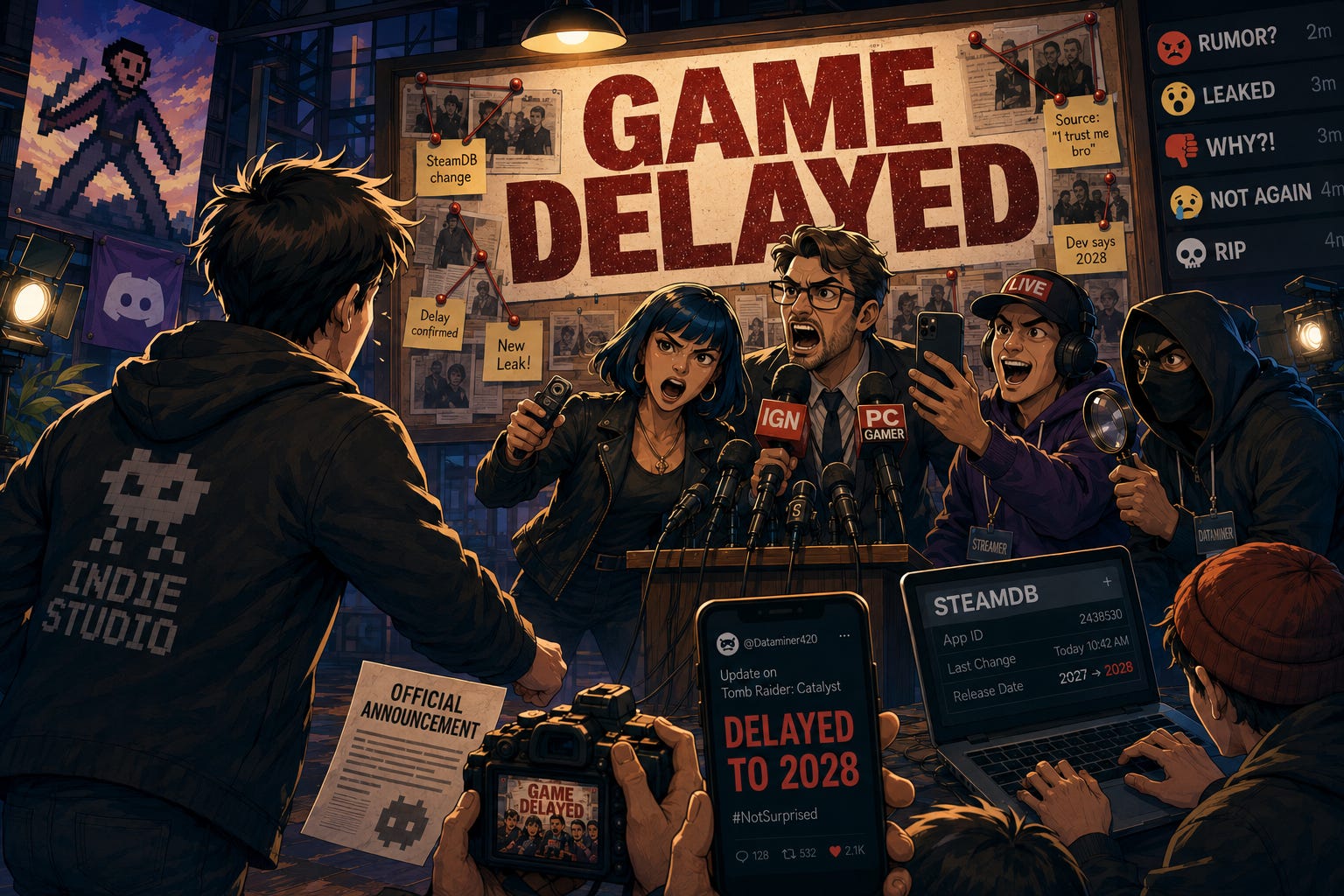
You Can’t Shadow Drop a Delay
Spawn Point Marketing by Jay Rooney-August 3, 2026
What Amazon's Tomb Raider Gaffe Can Teach Indies About How NOT to Announce a Delay

Game Development
How A Heavy Morning Turns Player Frustration Into Design
This isn't a game about mental illness. It recruits the player's own frustration as its primary material.

Game Development
Support or Sequel?
Spawn Point Marketing by Jay Rooney-July 27, 2026
Four Tests for Deciding Where Your Next Dev Month Goes
Game Development
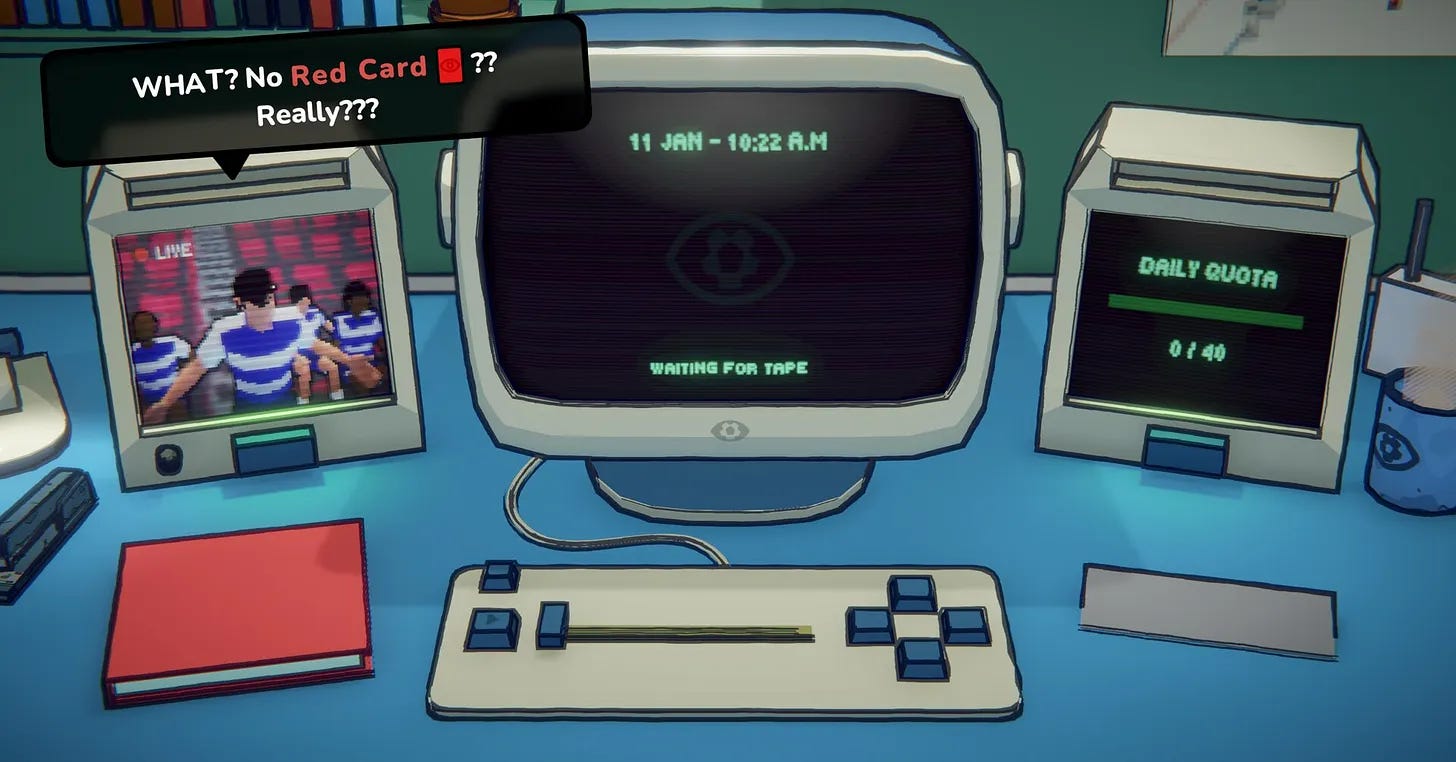
Eye of the Match Doesn’t Want a Realistic VAR — It Wants a More Powerful One
In conversation, André Cardoso explains why he abandoned VAR's real-world restraint the moment realism stopped serving the game.
Game Development
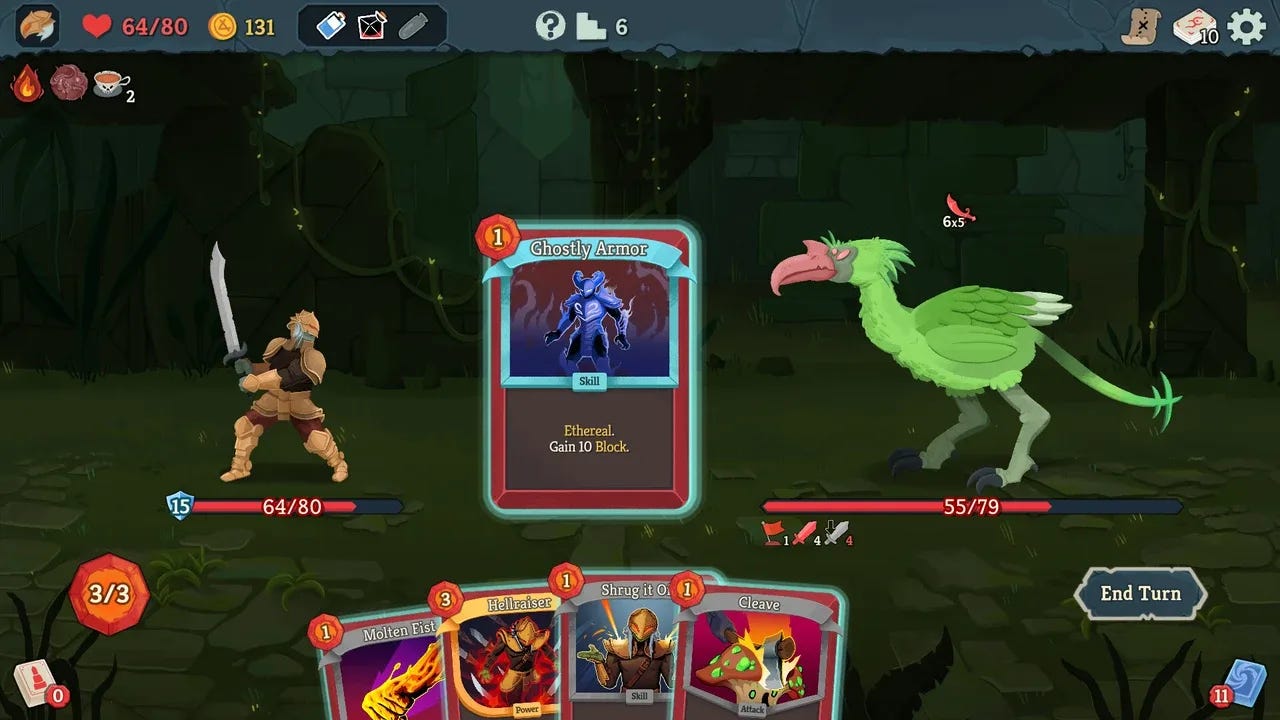
We Have Hit "Peak Roguelite"
Spawn Point Marketing by Jay Rooney-July 23, 2026
A field note on what "Roguelite Fatigue" says about genre saturation, product-market fit, and why a proven formula is not the same as a safe bet
Game Development
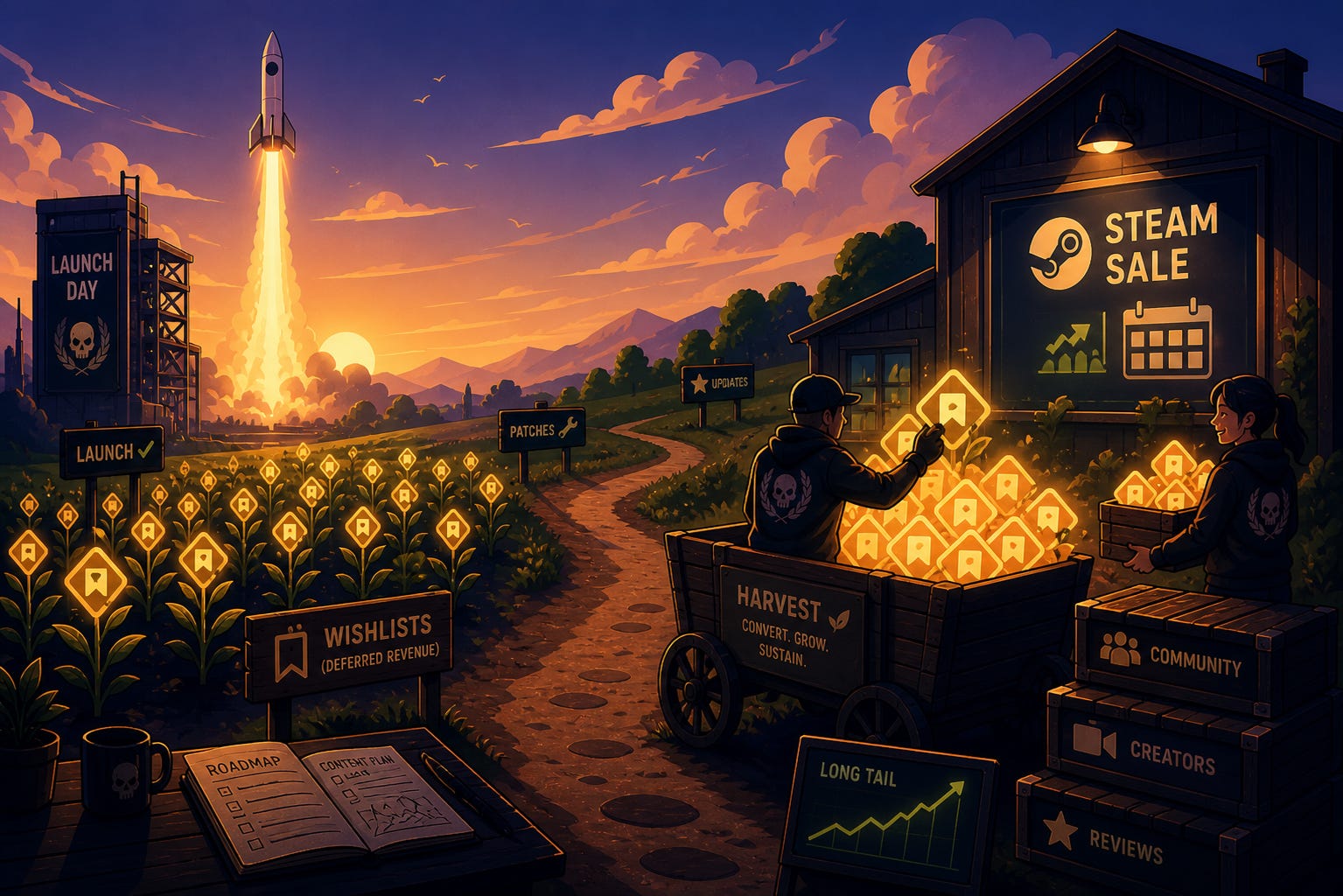
After Launch Day: What to Do When Things Go Right (And When They Don’t)
Spawn Point Marketing-July 20, 2026
[BONUS] Ready Check #13: The Launch Readiness Series
Game Development
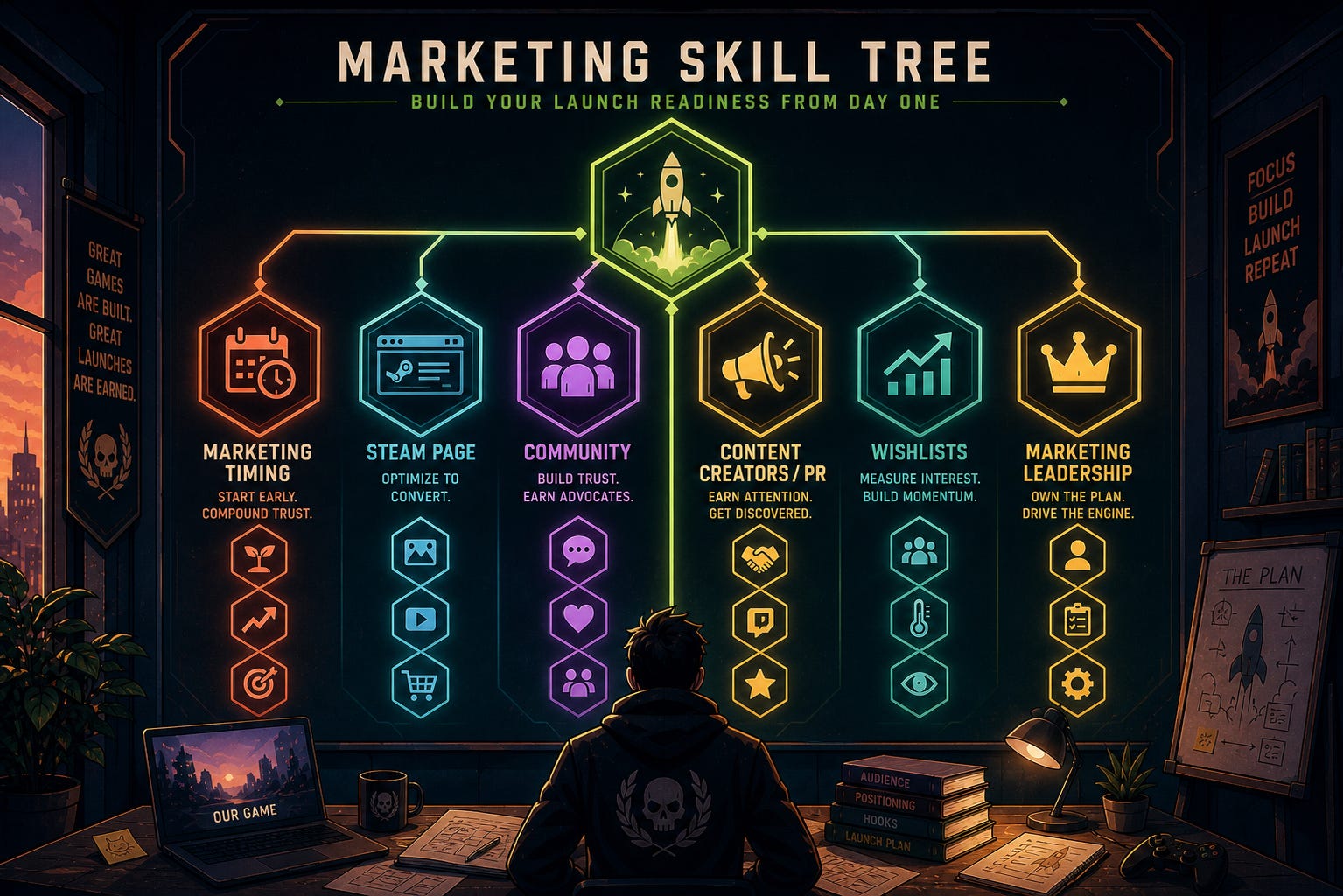
What I Wish Every Studio Knew Before Greenlight
Spawn Point Marketing-July 13, 2026
Ready Check #12: The Launch Readiness Series
Game Development
Crushed in Time: How Removing the Inventory Turns "Carry" Into "Distort"
Inside Draw Me A Pixel's point-and-click, a missing mechanic becomes the whole design.

Game Development
The Hard Reset
Spawn Point Marketing by Jay Rooney-July 9, 2026
Xbox's Brutal Layoffs Were the Entirely Predictable Endpoint of Microsoft's Many Strategic Missteps

Game Development
What's on the flipside of the game dev marketing rulebook?
Is there a secret map to success?
Game Development
What Does “Launch Ready” Actually Look Like?
Spawn Point Marketing-July 6, 2026
Ready Check #11: The Launch Readiness Series
Game Development
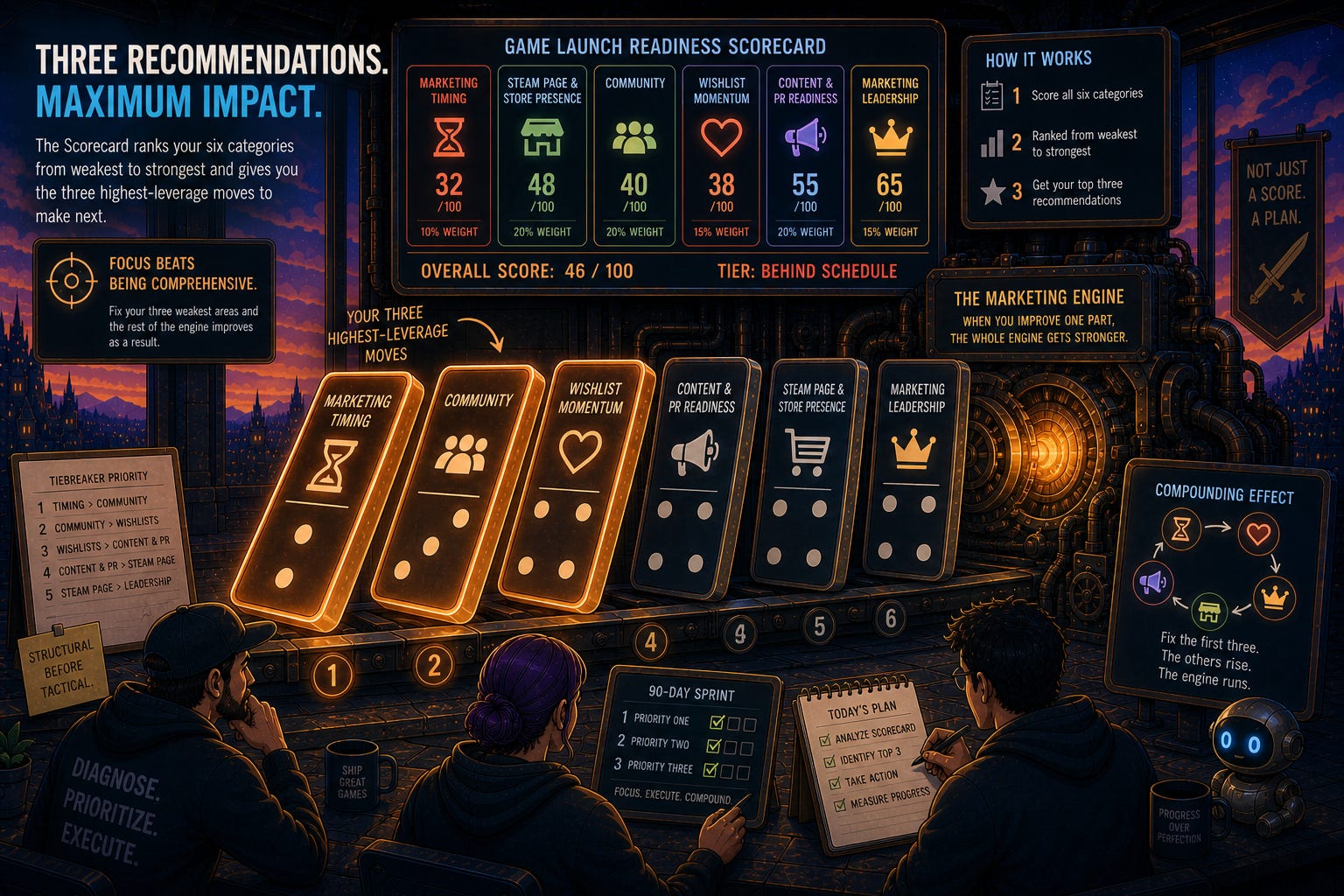
Three Simple Steps to Launch Readiness
Spawn Point Marketing-June 29, 2026
Ready Check #10: The Launch Readiness Series

Game Development
KUROHI: The Game That Could No Longer Be Anything Else
When everything locked into place.
Game Development
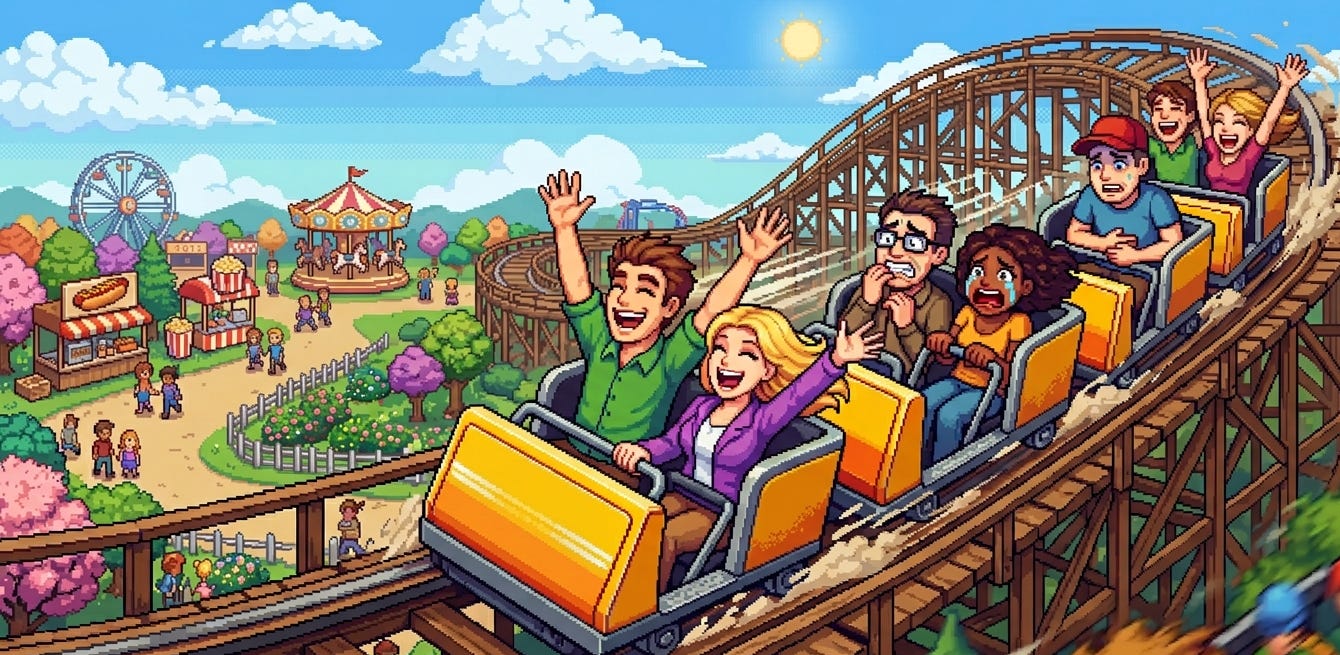
Managing the emotional rollercoaster of game development
Morale swings in production are predictable and can be reasonably managed
Game Development
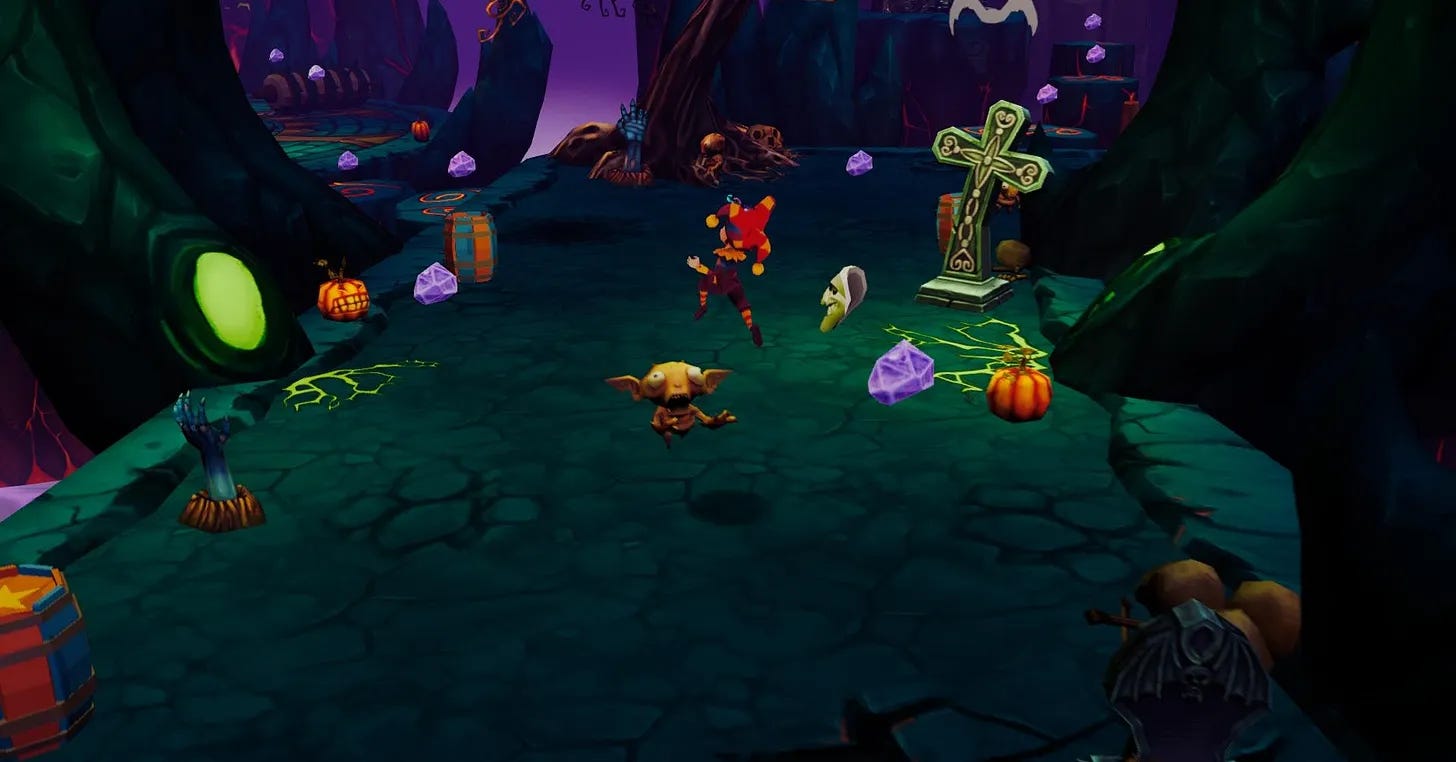
Movement as Design: Rethinking 3D Platformers Through BOBO AND THE CHEST OF NIGHTMARES
A conversation with David Ho on movement, design philosophy, and why restraint might be the most radical choice in modern platformers.
Game Development
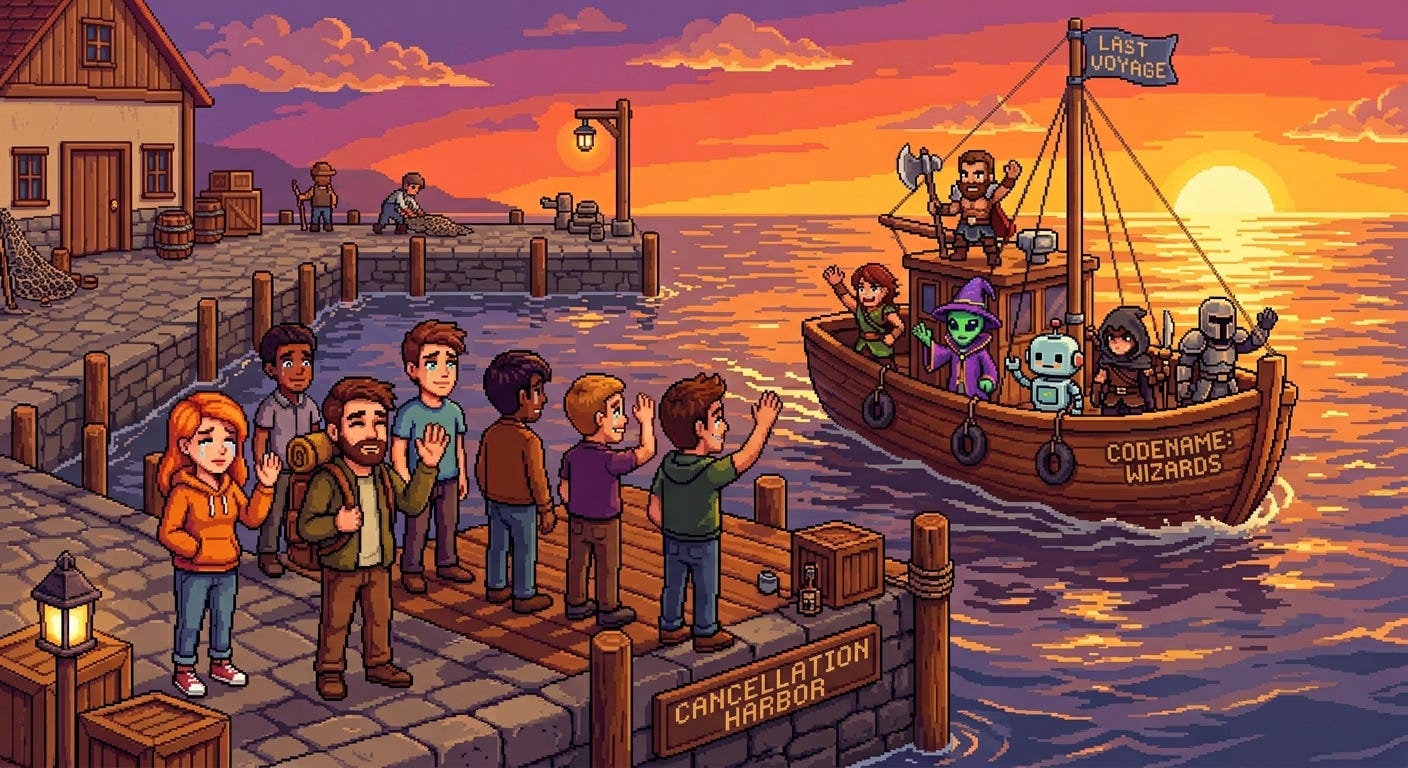
Canceling a game in production
How to analyze the situation, make a pragmatic decision and act on it if needed
Game Development
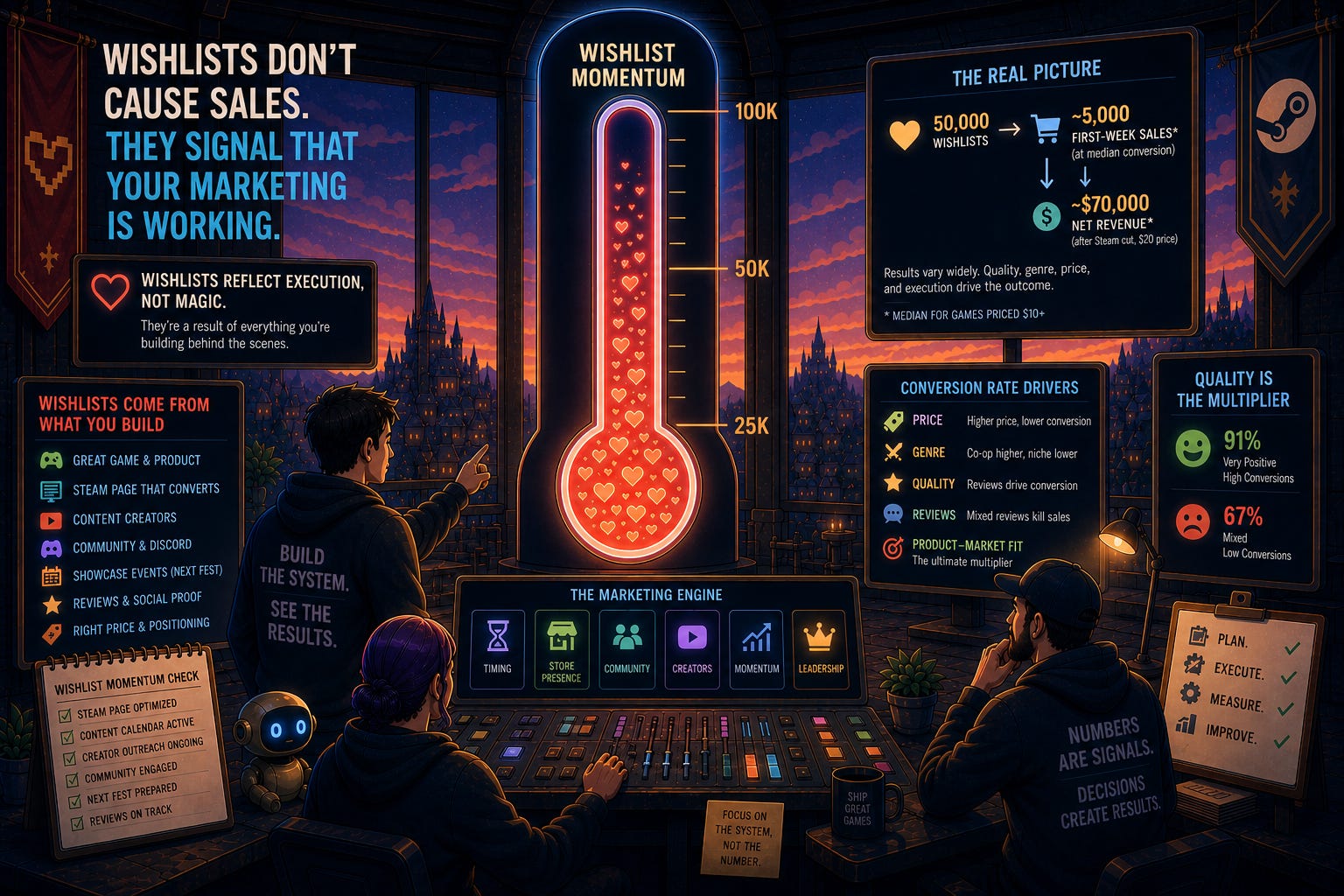
When You Wish Upon a List
Spawn Point Marketing-June 15, 2026
Ready Check #8: The Launch Readiness Series
Game Development
From Novel to System: The Design of Septurian Might
The Attempt to Make Everything Serve the Story.
Game Development
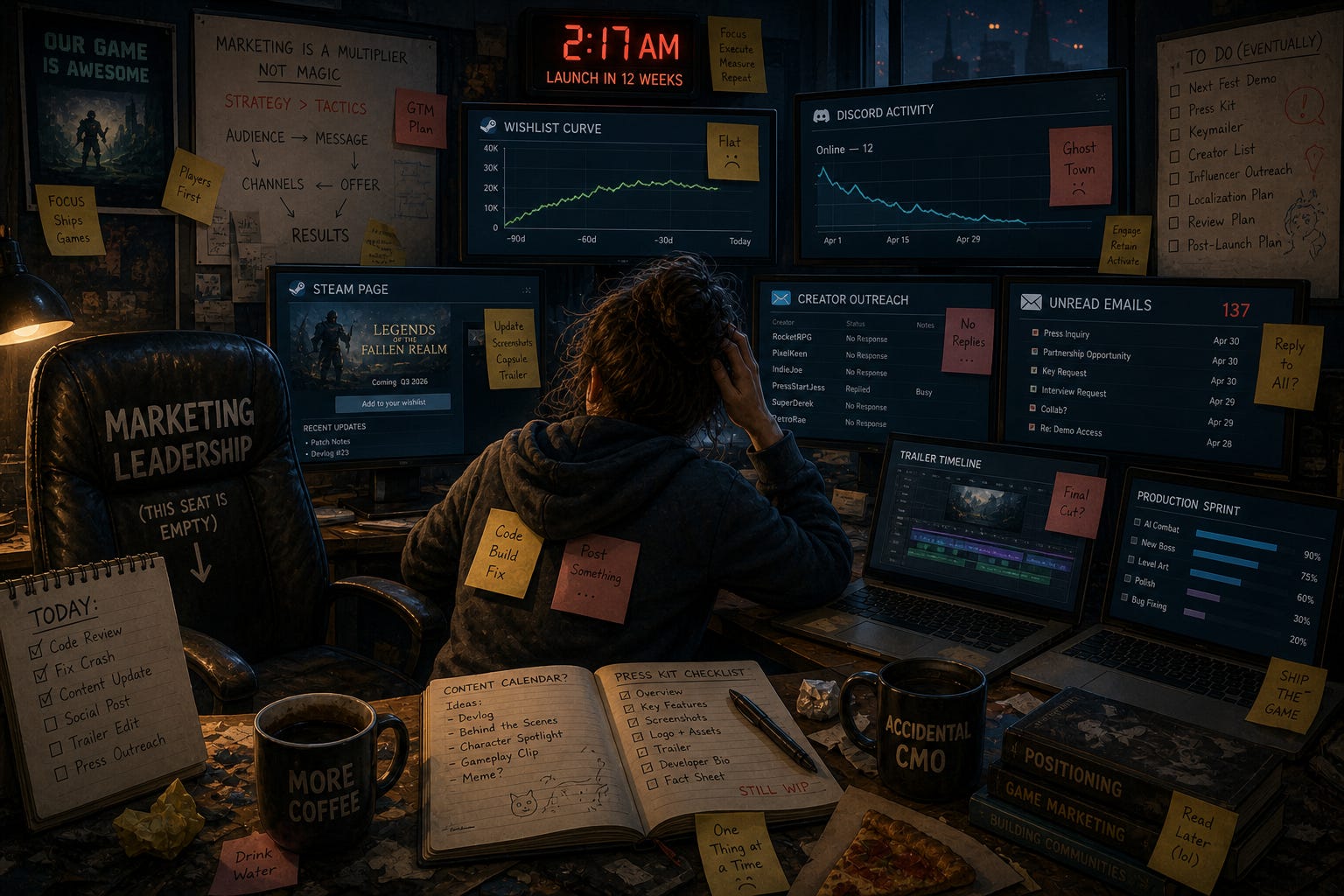
When Everyone Does a Little Marketing, Nobody Does Effective Marketing
Spawn Point Marketing by Jay Rooney-May 18, 2026
Ready Check #4: The Launch Readiness Series
Game Development
Poor performance is not a game engine problem
Frame rate is almost exclusively a development process outcome

Game Development
All Killer, All Filler
Spawn Point Marketing by Jay Rooney-May 13, 2026
Mixtape's Press Problem: When Polish Becomes a Liability
Game Development
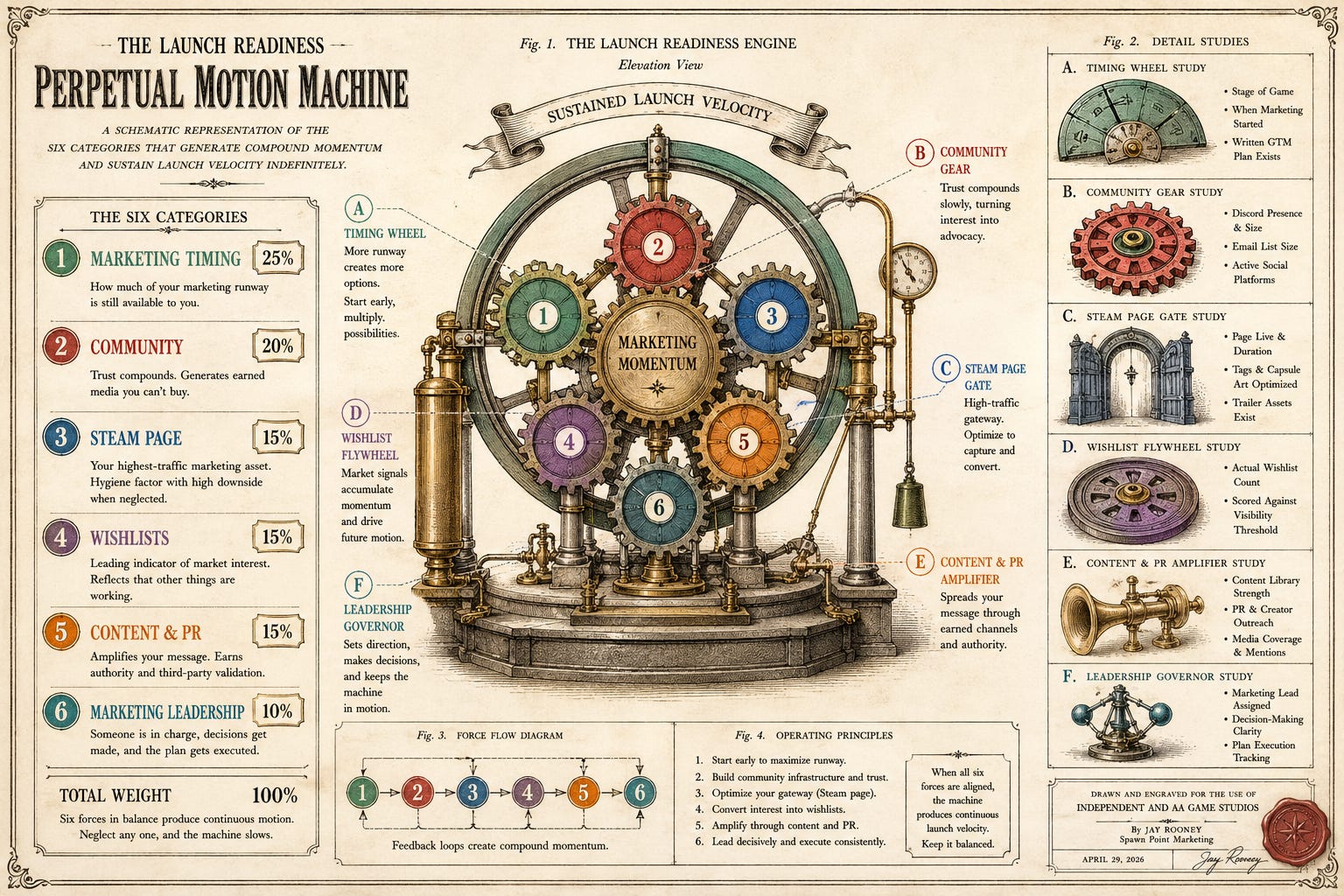
The Scorecard, Explained: Why These Six Categories and Why These Weights
Spawn Point Marketing by Jay Rooney-May 4, 2026
Ready Check #2: The Launch Readiness Series
Game Development
Early Marketing IS Game Development
Spawn Point Marketing by Jay Rooney-April 29, 2026
How Pizza Tower found its groove and its players.
Game Development
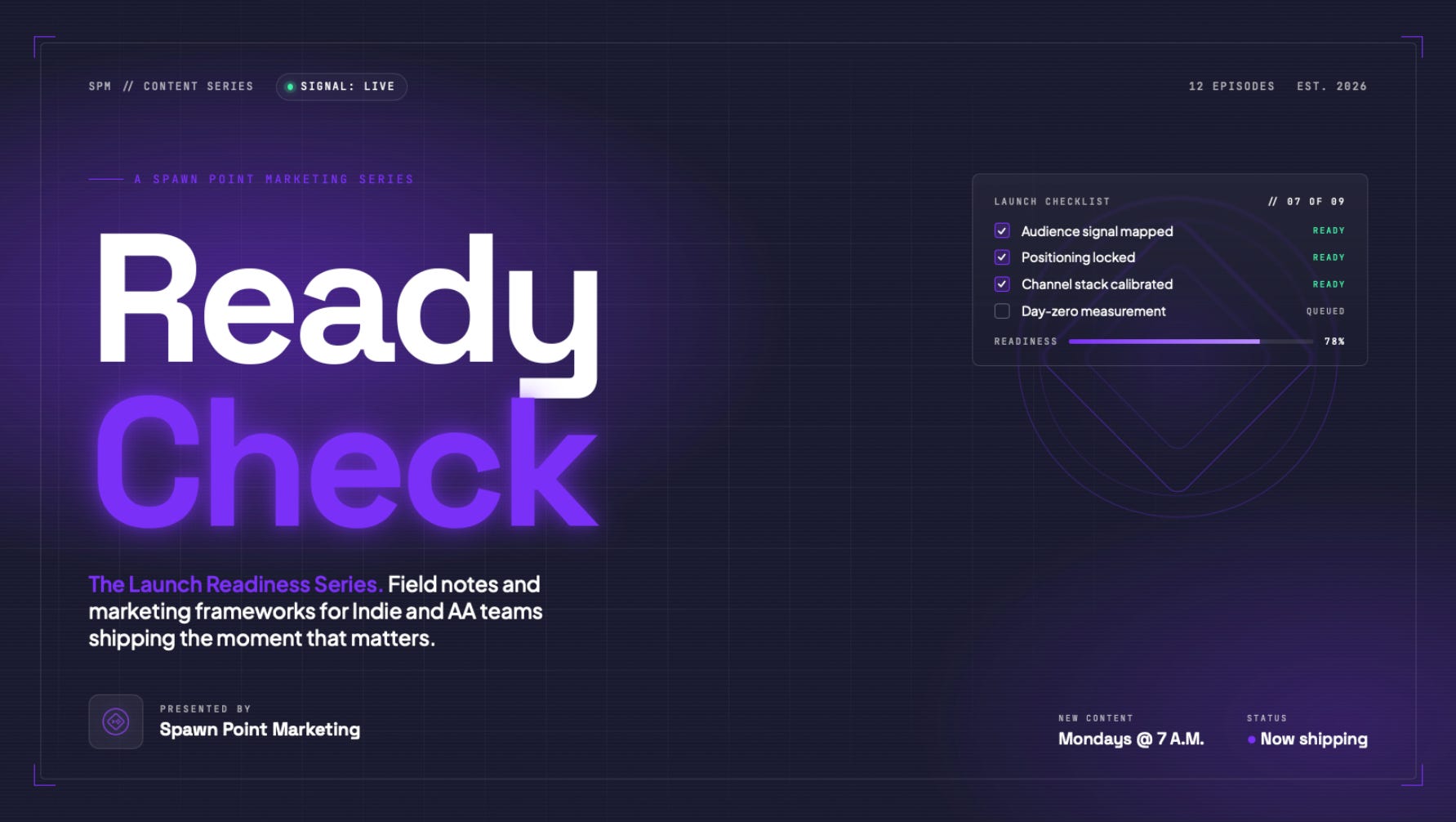
Why Most Game Launches Fail Before the First Trailer Drops
Spawn Point Marketing by Jay Rooney-April 27, 2026
Ready Check #1: The Launch Readiness Series
Game Development
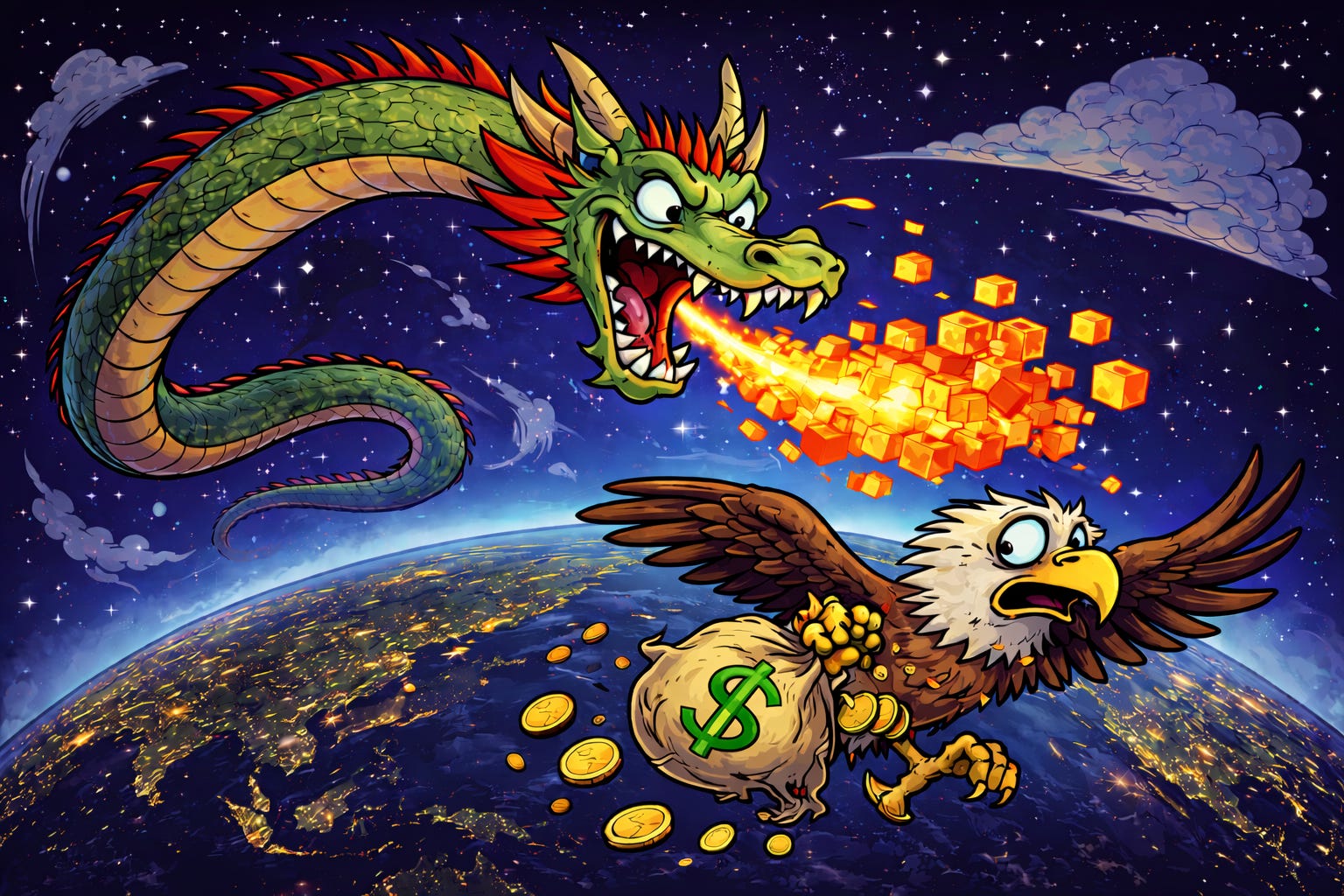
Why Eastern Studios Are Eating Western AAA’s Lunch
Spawn Point Marketing by Jay Rooney-April 20, 2026
And what the indies watching from the sidelines can learn from it all

Game Development
The game developer's career Ikigai
How to be deliberate about your career path in game development

Game Development
The Engine Beneath the Magic Kingdom: Disney isn’t looking to buy Epic for Fortnite
Disney isn’t buying Epic for Fortnite. It’s buying the operating system it’s already built on.