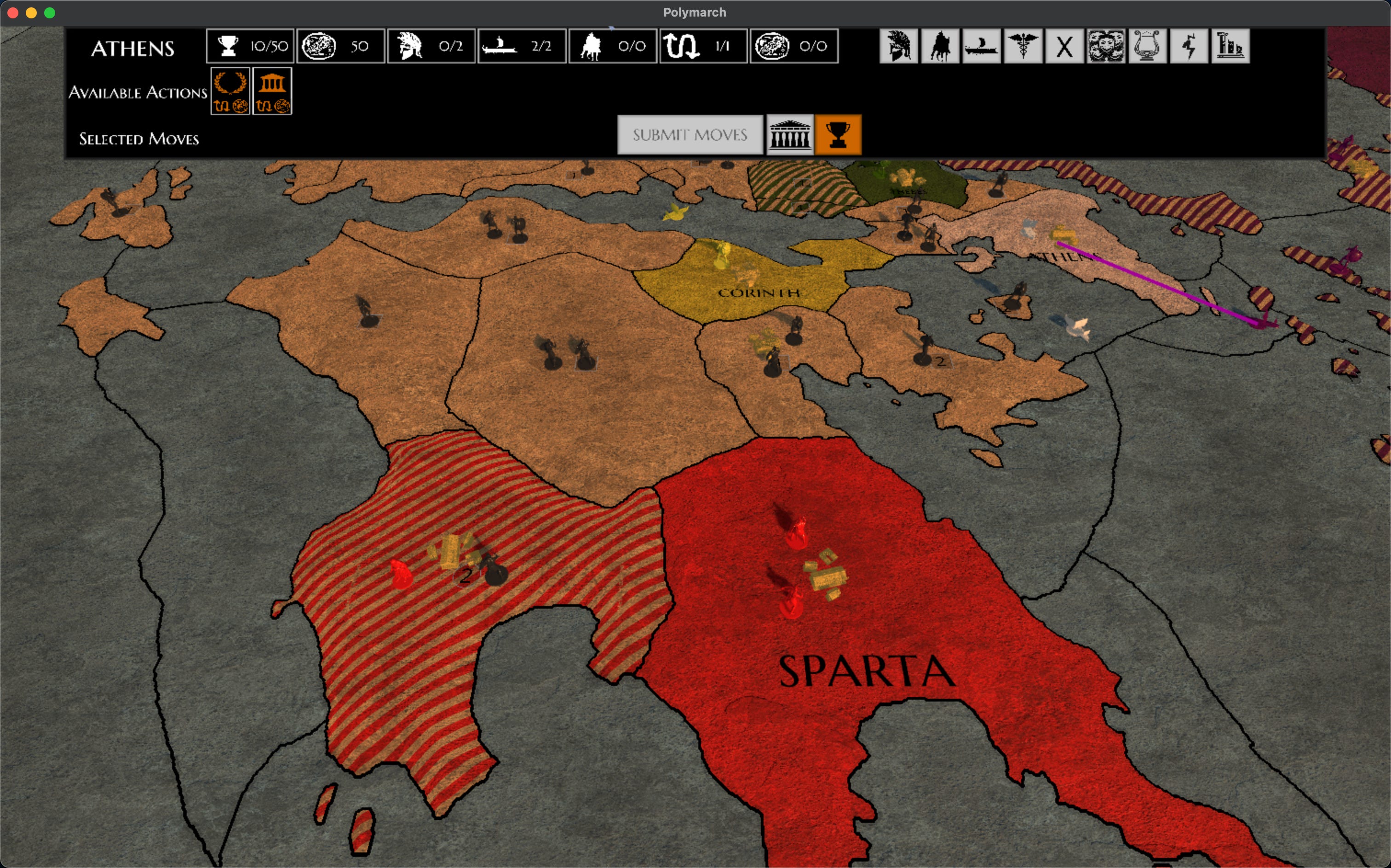
A Free Game Engine Is Taking the Power Back
Godot costs nothing, answers to no shareholder and now powers nearly half the games at the world’s biggest game jam. But the games making real money still mostly run on Unity and Unreal, and console
Category
Development craft, engines, and production stories.
Library
Sorted by publish date

Godot costs nothing, answers to no shareholder and now powers nearly half the games at the world’s biggest game jam. But the games making real money still mostly run on Unity and Unreal, and console


On knowledge, navigation, and a Portuguese point-and-click in the tradition of Silver Case.

And its weird parallels with The Last of Us

An interview-based breakdown of Fright Train's inventory, reload, and enemy-interaction systems, and how they generate tension without scripted scares.

One of the lead designers of “Mysterium” for the Game Boy talks early game design, Game Boy development, and passing on the opportunity to port SimCity to the PC!


Brian explains how MasterTingus’s chaotic animation was reverse-engineered into a legible incremental game.

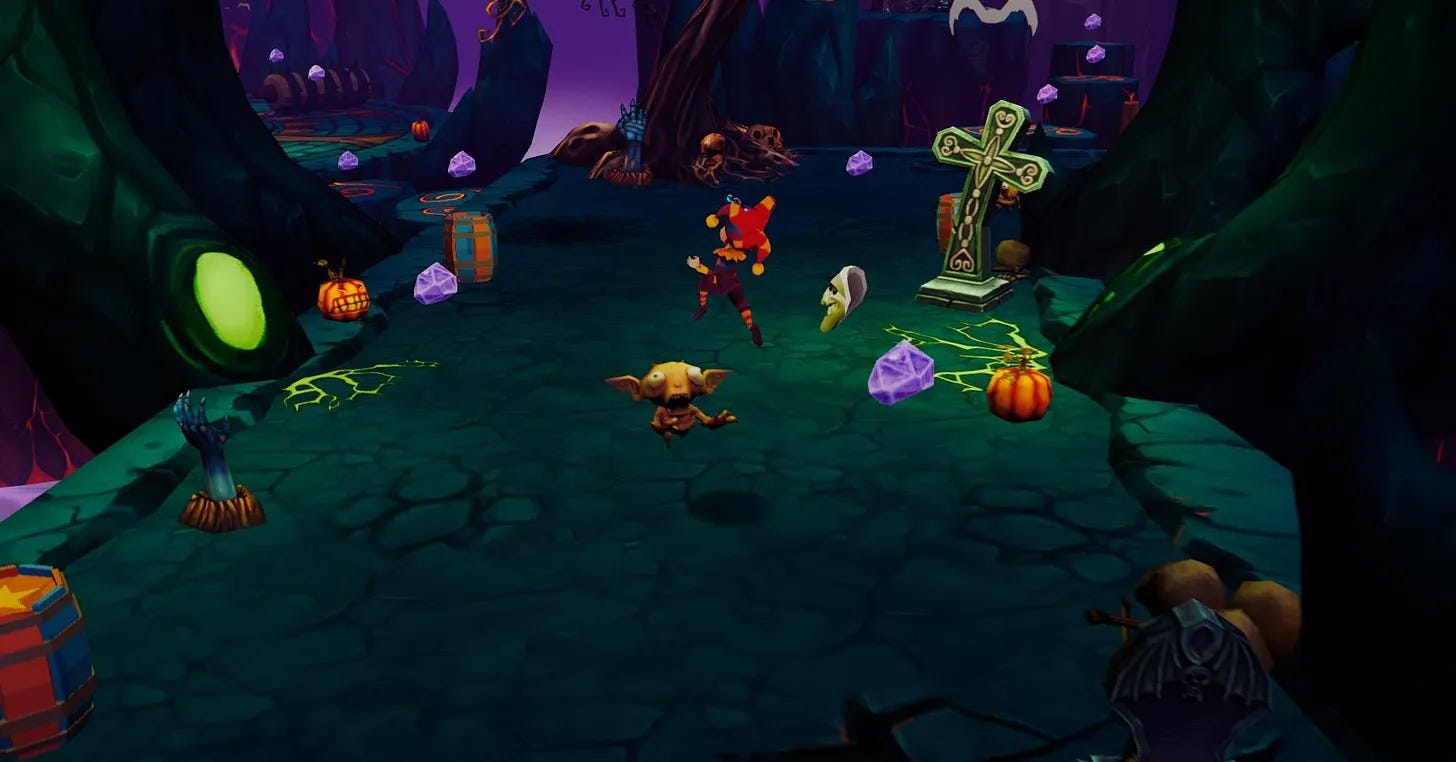
Short pivot to making a musical Halloween game

How a production constraint turned into a language: inside Bithell Games' abstracted take on Deus Ex and Hitman.


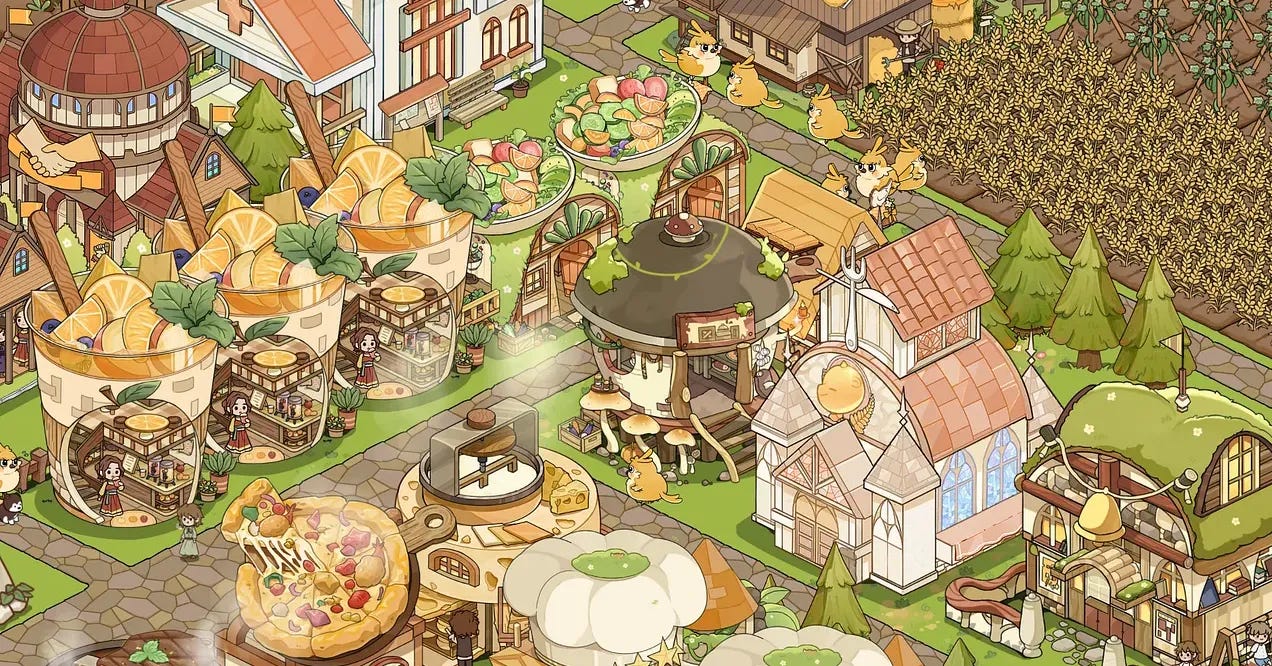
Inside White Star Studio’s redesign of Feastopia’s reward system — from three disconnected mechanics to one converged Grace Powers loop


How Gummy Bunny Games Turned Technical Constraints Into Signature Mechanics.

One was an accident. One was a plan. Both are still working.

Game Development As the Most Complete Magic You Can Actually Perform [A Metamagical, Ludological, Theological, and Philosophical Analysis]

Inside a political adventure game in development built on the idea that information should never quite become certainty.

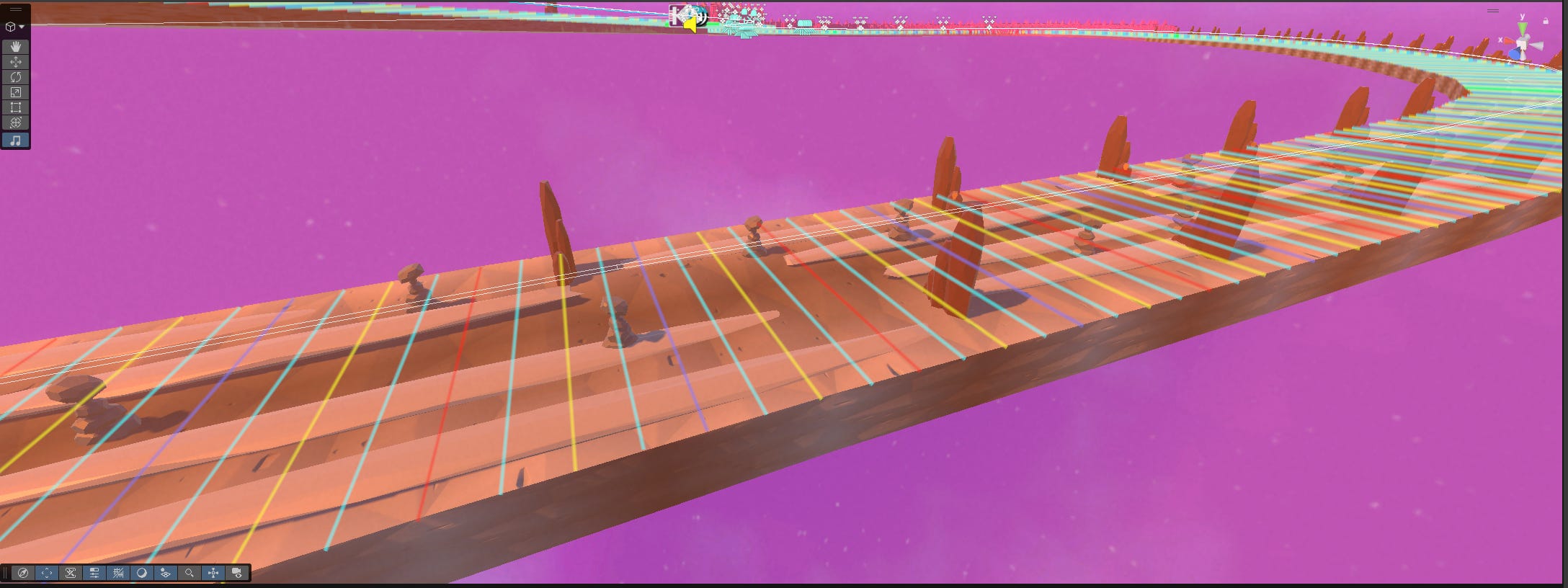
Creating custom tools to get my game to pop and lock to the beat

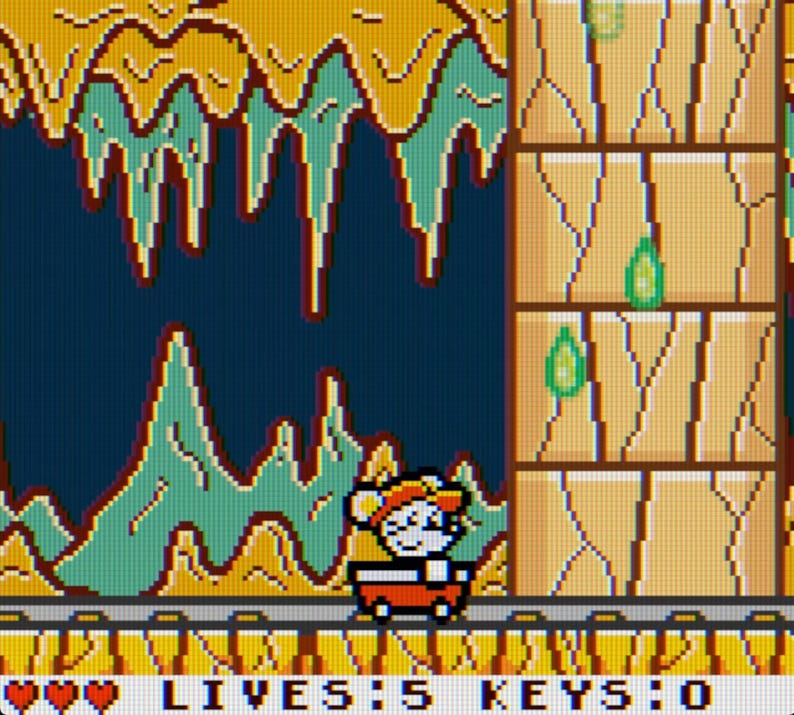
How a Game Boy Color platformer about Indiana Jones turned out, to its own creator's surprise, to be the Disney game he'd wanted since childhood.


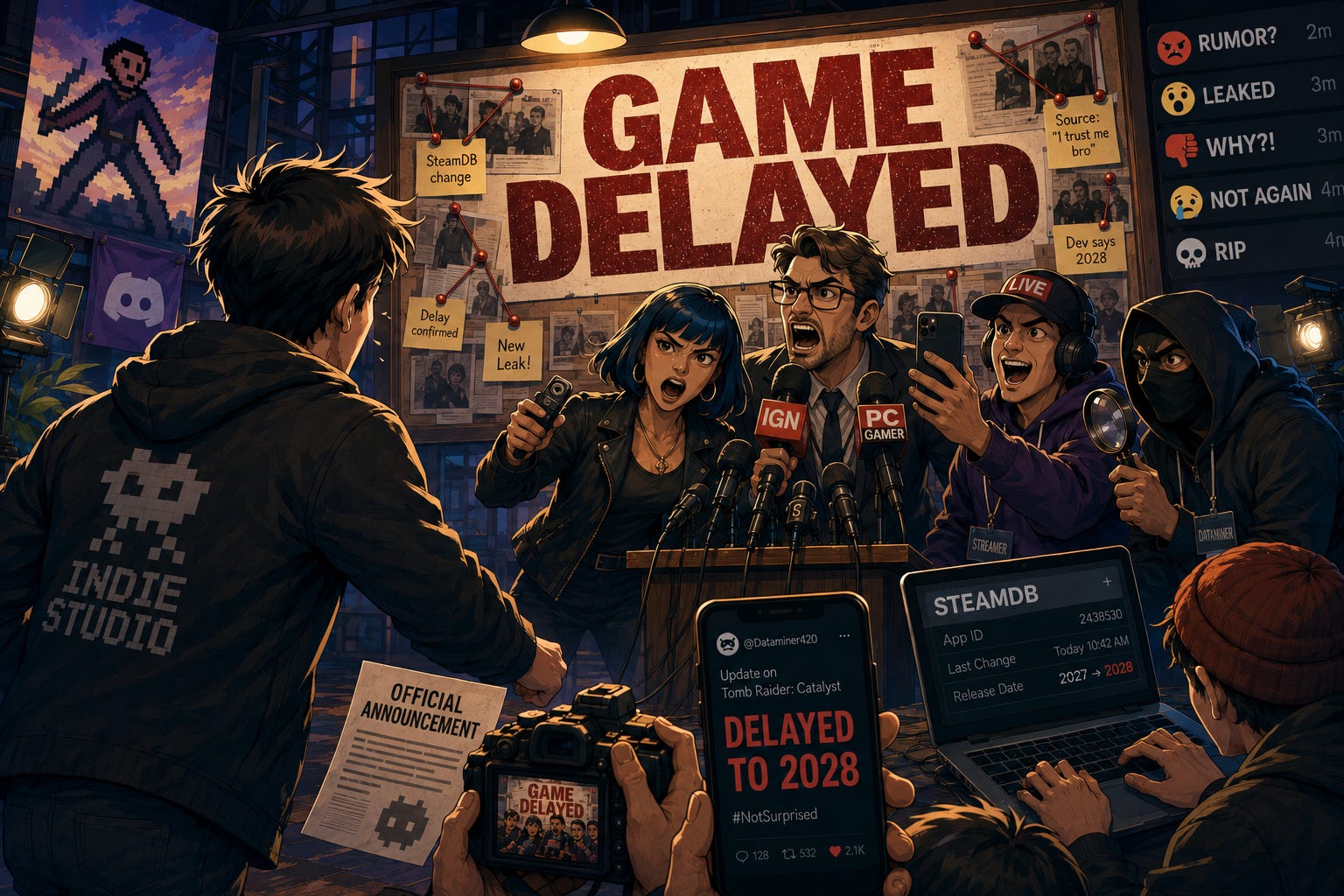
What Amazon's Tomb Raider Gaffe Can Teach Indies About How NOT to Announce a Delay

This isn't a game about mental illness. It recruits the player's own frustration as its primary material.

Four Tests for Deciding Where Your Next Dev Month Goes

In conversation, André Cardoso explains why he abandoned VAR's real-world restraint the moment realism stopped serving the game.

A field note on what "Roguelite Fatigue" says about genre saturation, product-market fit, and why a proven formula is not the same as a safe bet

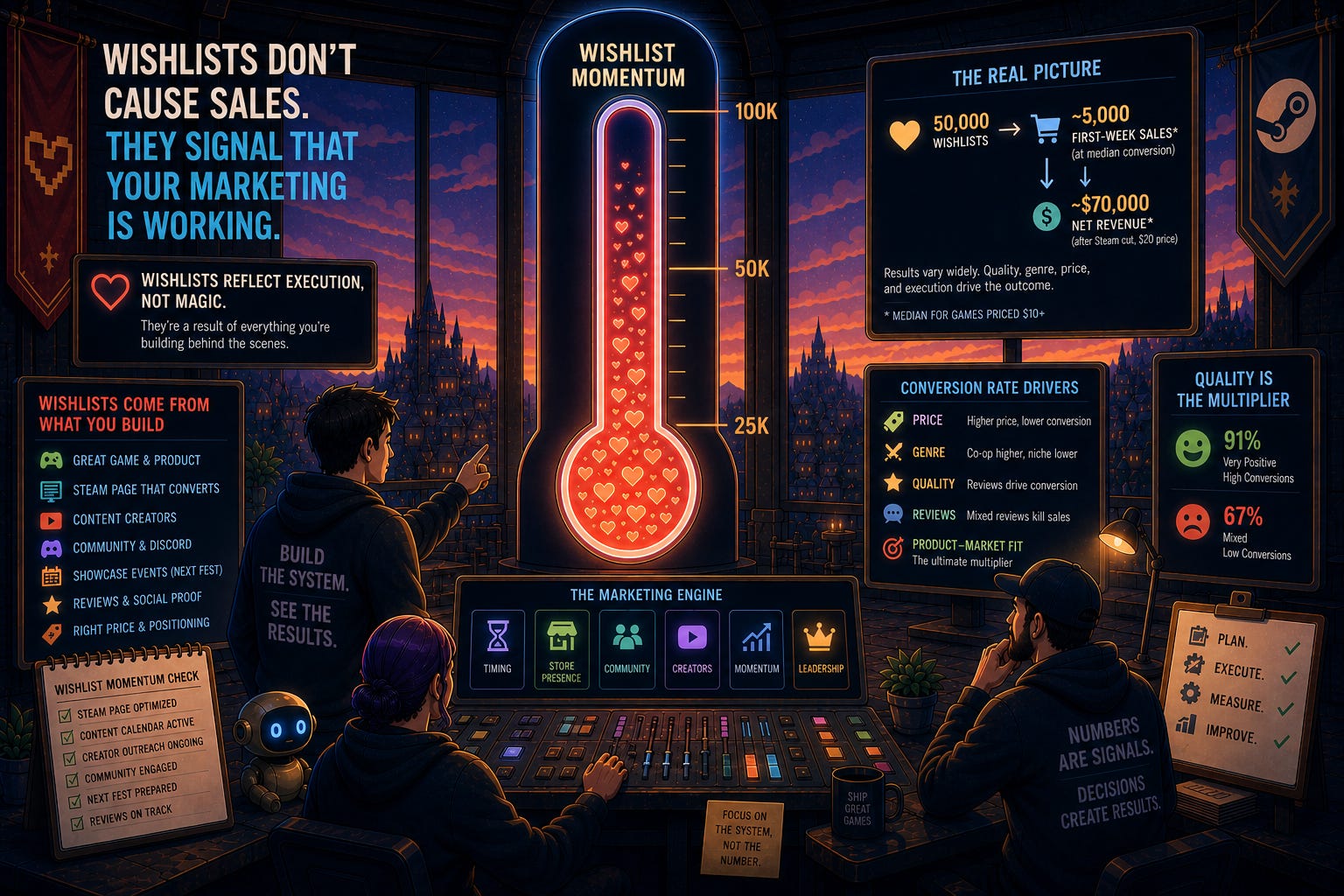
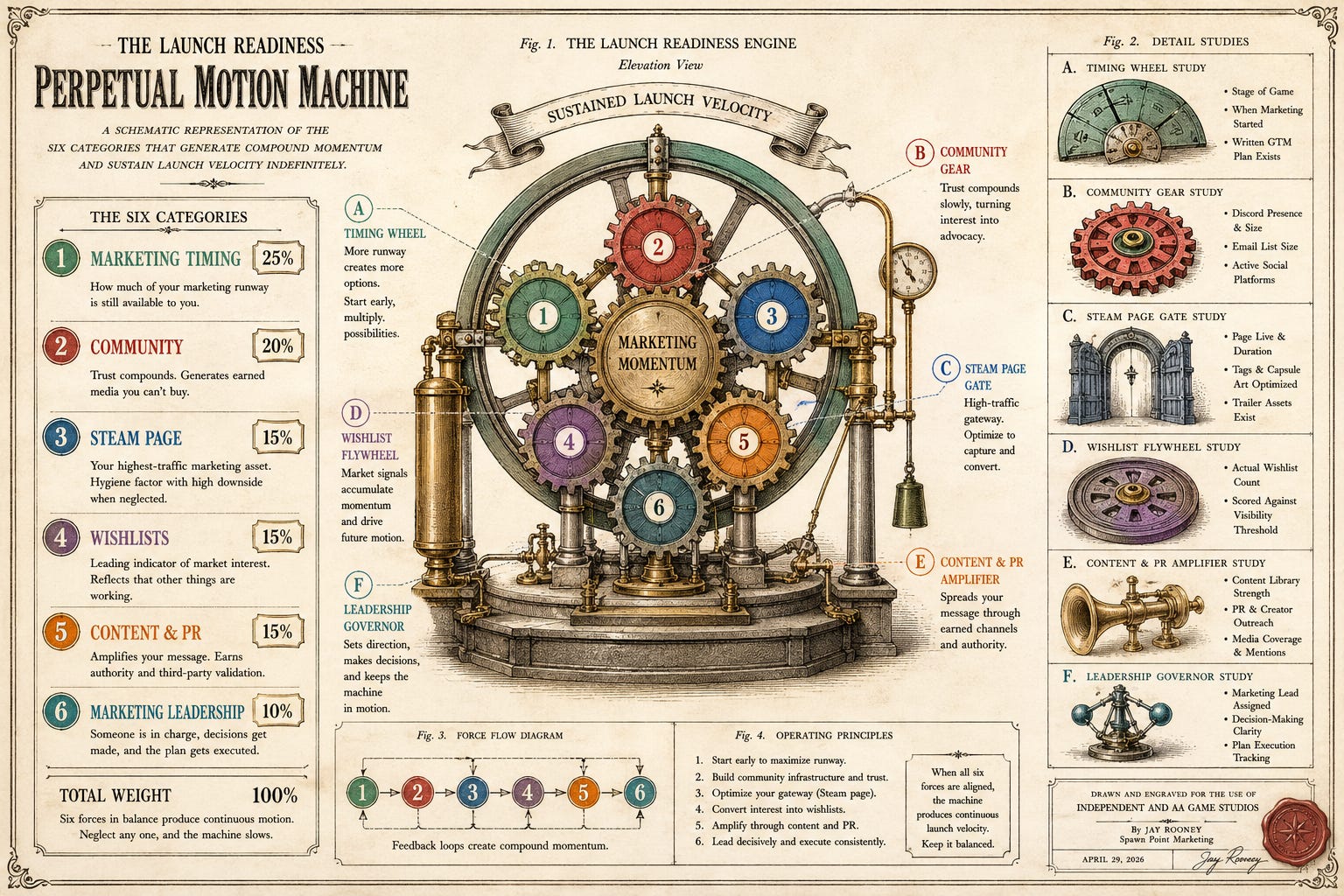
[BONUS] Ready Check #13: The Launch Readiness Series

Ready Check #12: The Launch Readiness Series

Inside Draw Me A Pixel's point-and-click, a missing mechanic becomes the whole design.
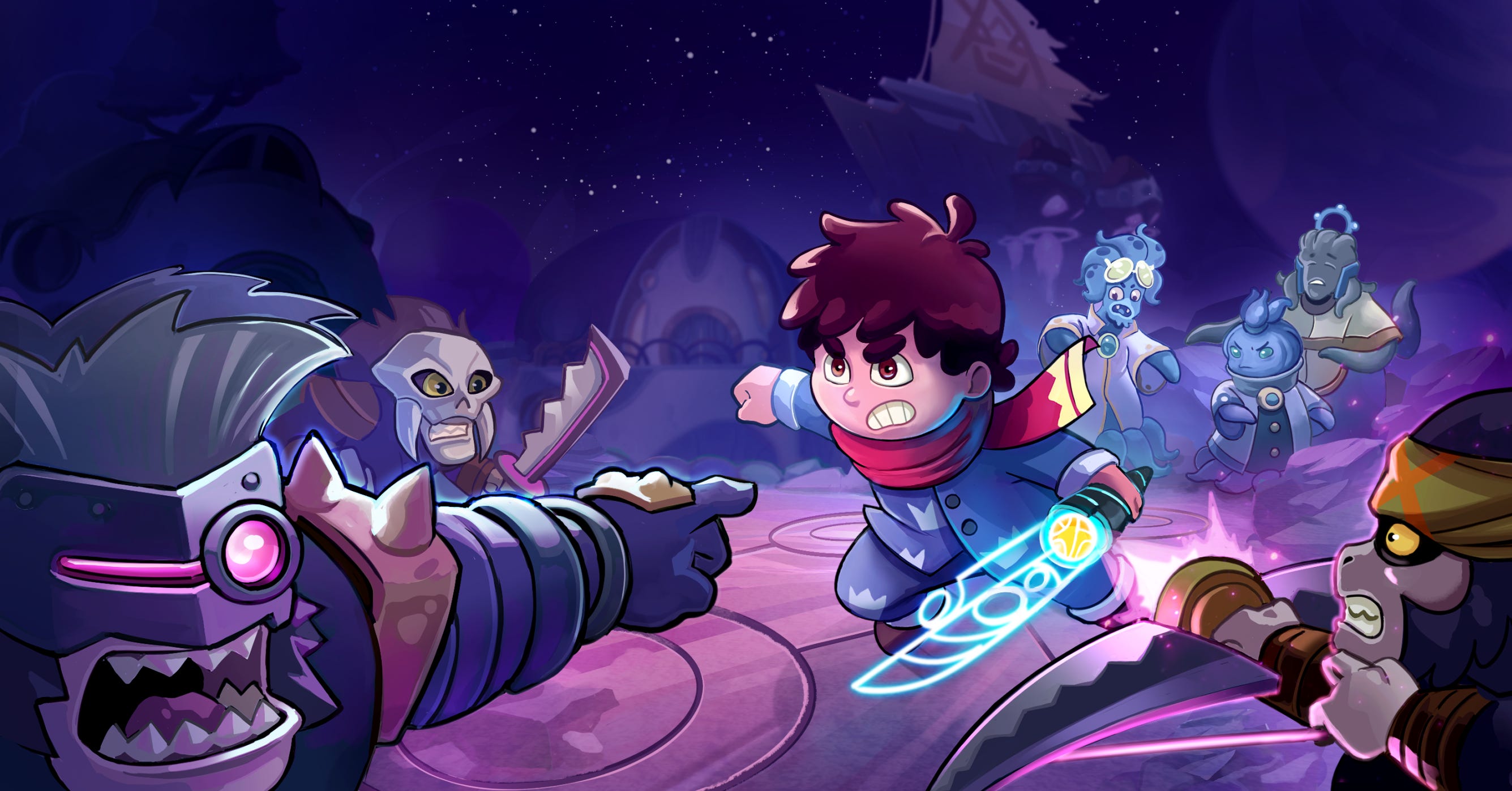
Xbox's Brutal Layoffs Were the Entirely Predictable Endpoint of Microsoft's Many Strategic Missteps
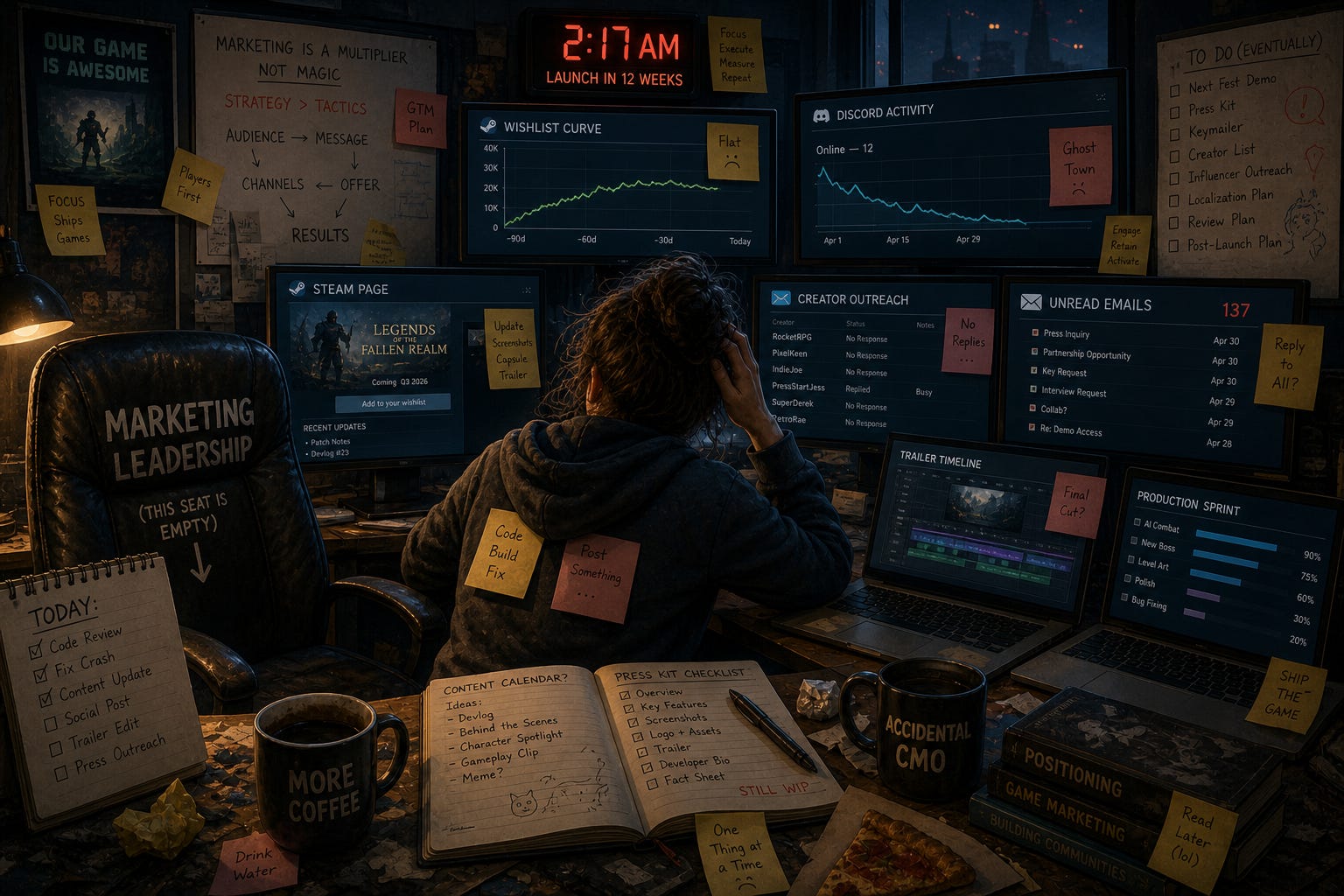
Is there a secret map to success?
Ready Check #11: The Launch Readiness Series


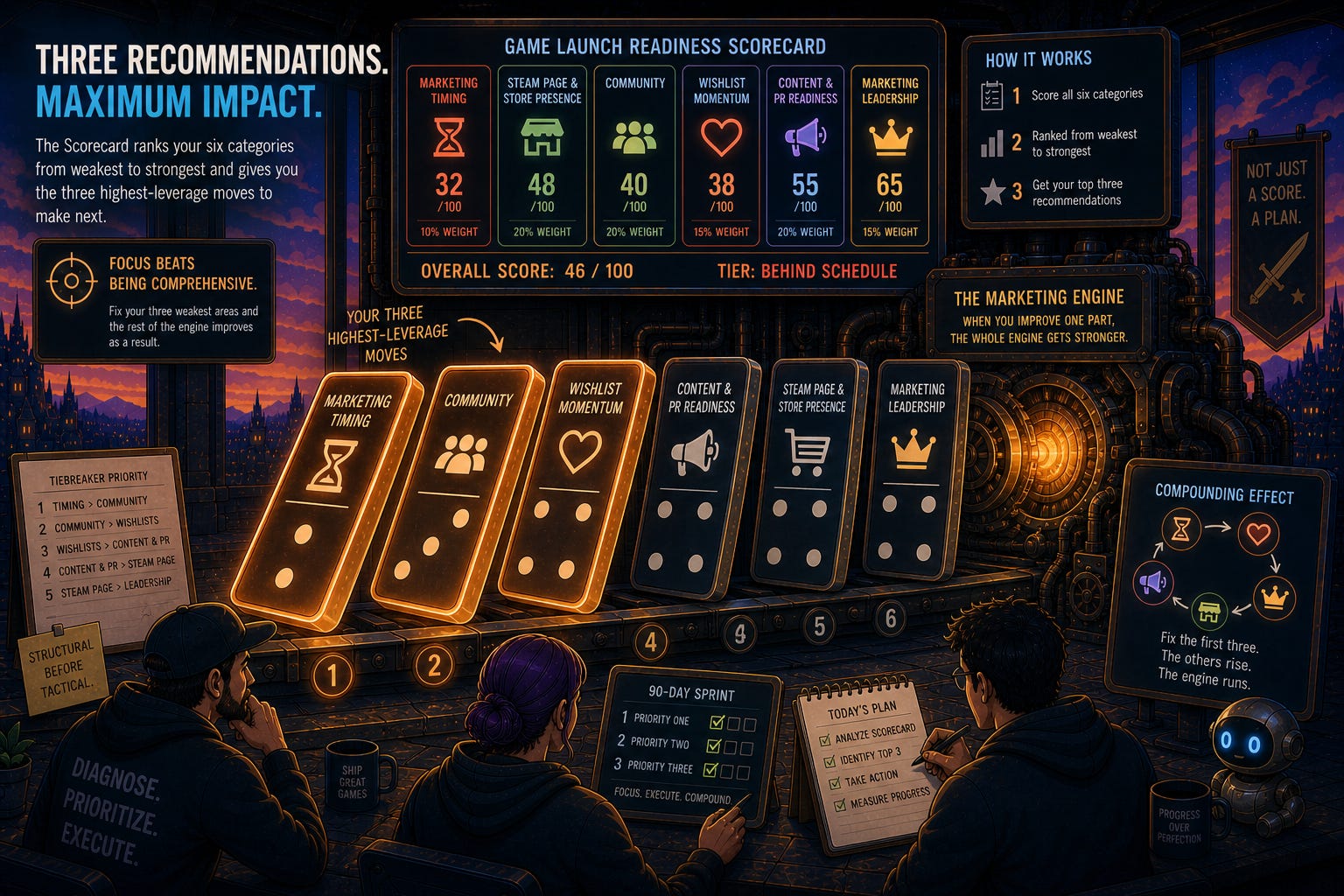
Ready Check #10: The Launch Readiness Series

When everything locked into place.

Morale swings in production are predictable and can be reasonably managed

A conversation with David Ho on movement, design philosophy, and why restraint might be the most radical choice in modern platformers.

How to analyze the situation, make a pragmatic decision and act on it if needed

Ready Check #8: The Launch Readiness Series

The Attempt to Make Everything Serve the Story.

Ready Check #4: The Launch Readiness Series

Frame rate is almost exclusively a development process outcome

Mixtape's Press Problem: When Polish Becomes a Liability

Ready Check #2: The Launch Readiness Series

How Pizza Tower found its groove and its players.

Ready Check #1: The Launch Readiness Series

And what the indies watching from the sidelines can learn from it all

How to be deliberate about your career path in game development

Disney isn’t buying Epic for Fortnite. It’s buying the operating system it’s already built on.

A practical game development guide to switch from doing to shipping

A half-hearted argument for niche engines